
Art Gallery
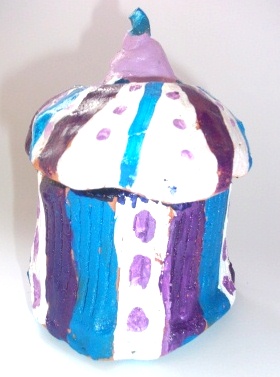
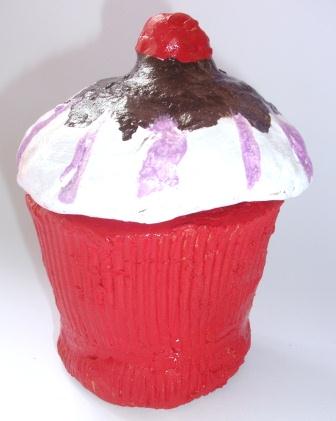
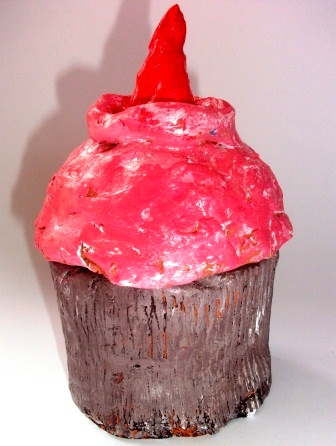
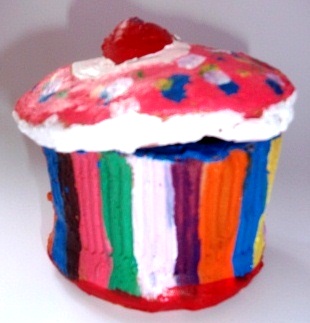
Clay CupCakes (click to view photos)
-
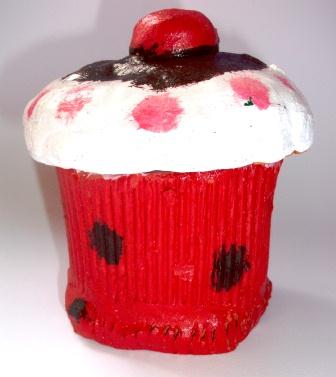
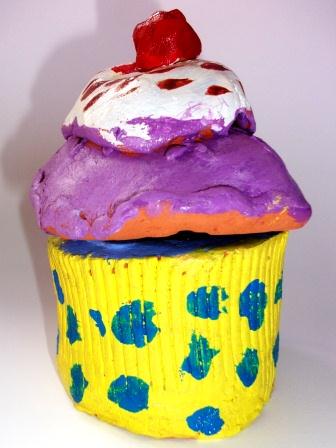
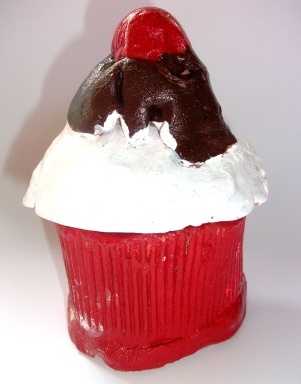
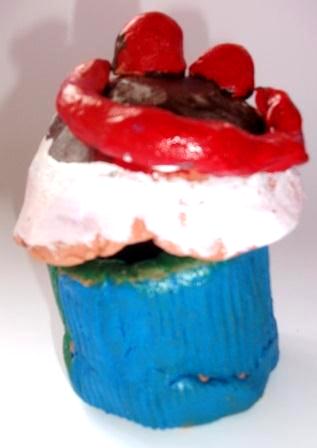
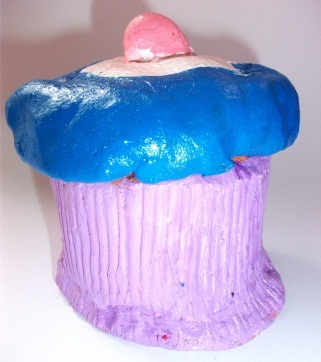
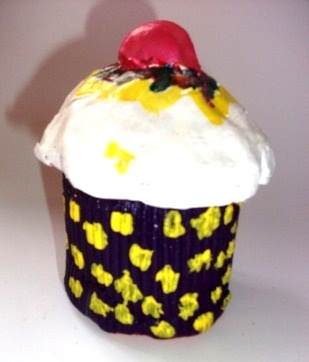
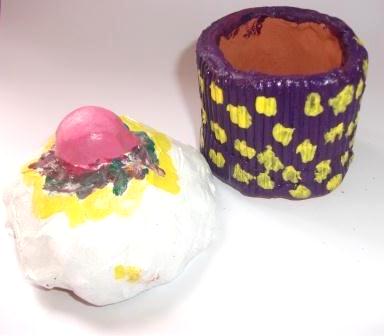
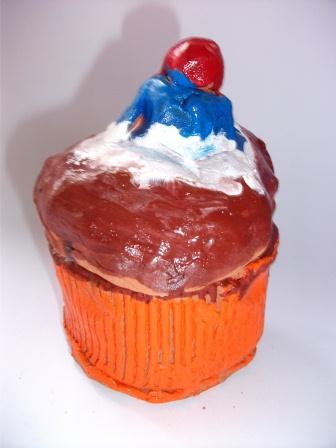
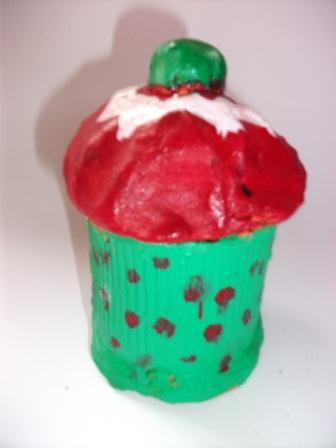
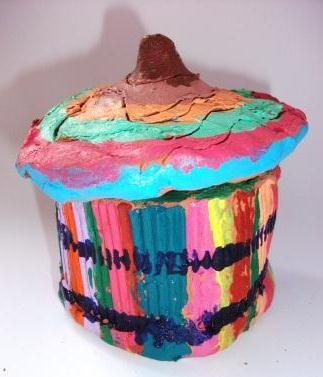
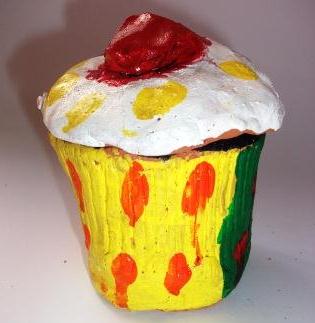
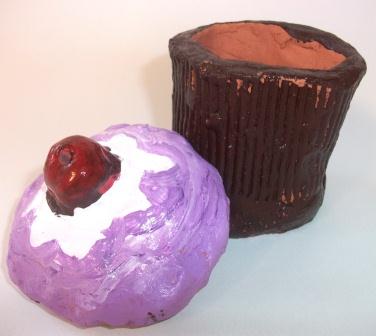
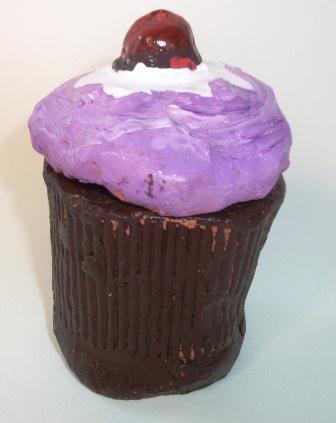
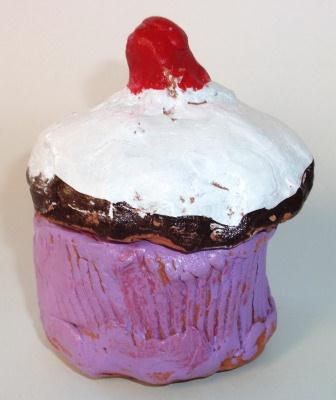
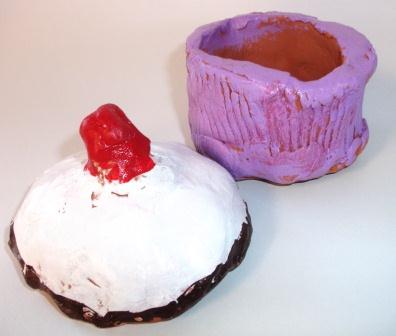
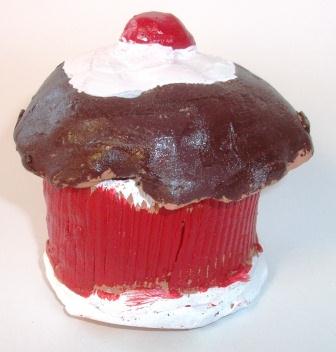
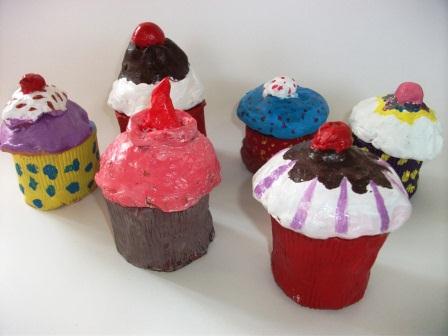
Who thought clay could be so delicious? Grade 7 learners created these yummy looking clay cupcakes. The tops of the cupcakes come off so that the bottom half can hold whatever they want to put in them. The recipe for these cupcakes is as follows:1-Roll out a long flat slab of clay. 2-Press a piece corrugated cardboard into the slab to make the rippled cupcake holder. 3- For the topping...roll a large ball of clay and mold it into a cupcake shape. 4- Add a cherry. 5-Send to kiln to be fired. 6- Decorate with acrylic paints. It's as simple as that!
-
-
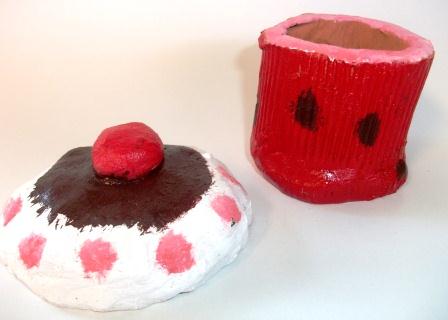 Cupcake opened
 -
-
-
-
-
-
-
-
-
-
-
-
-
-
-
-
-
-
-
-
 Group work
 -
-
-
-
-
-
-
-
-
-
-
-
-
Group work
-
Vases in Relief with Tinfoil and Ink (click to view photos)
-
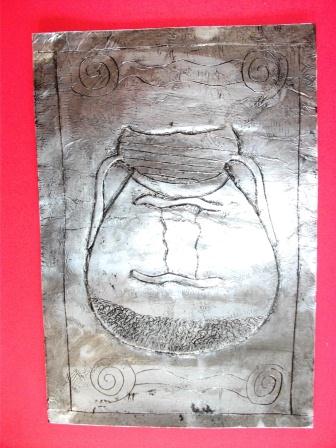
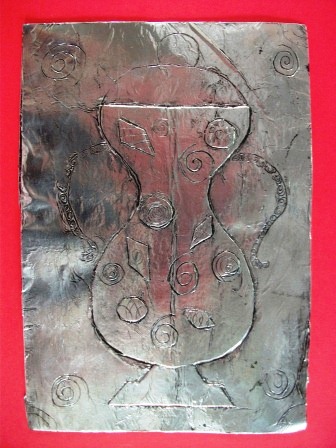
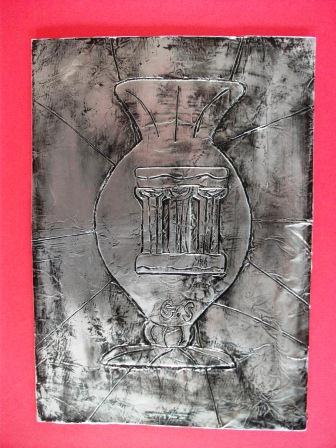
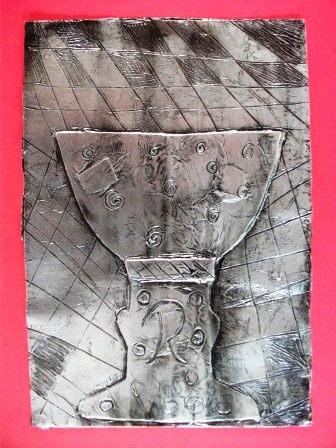
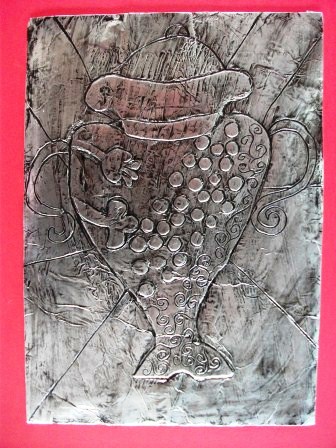
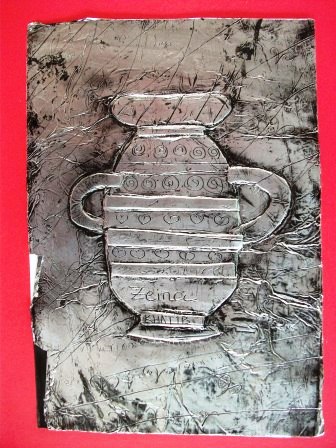
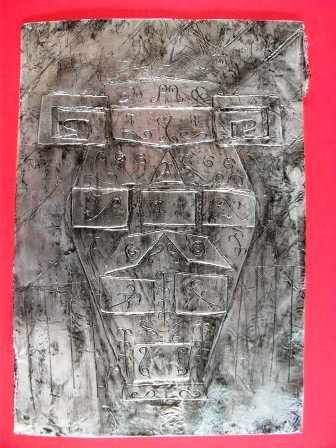
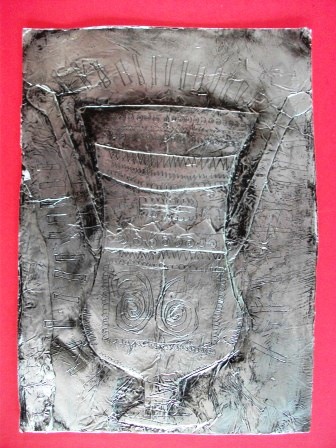
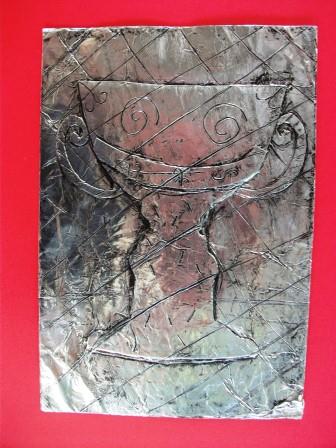
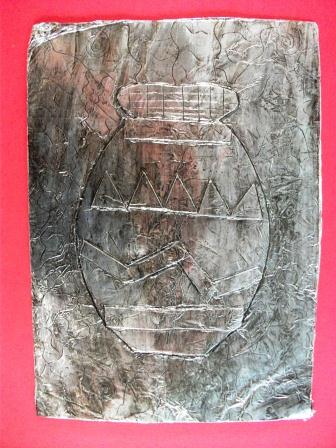
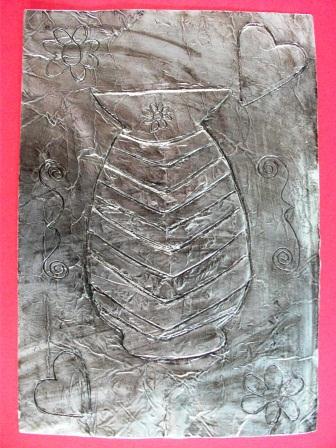
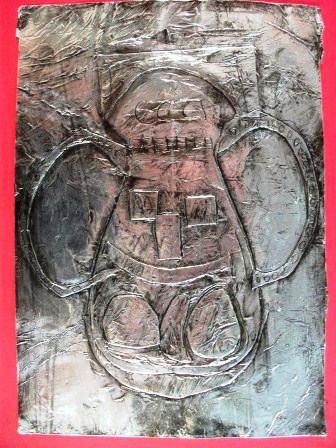
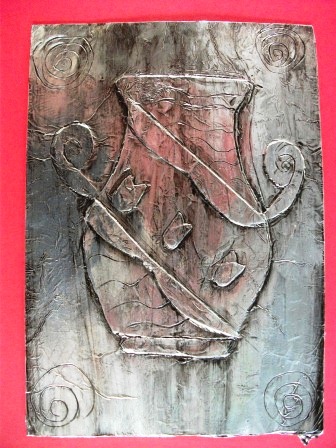
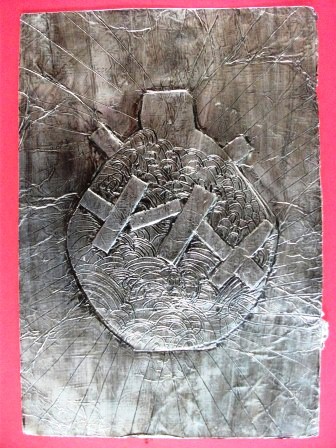
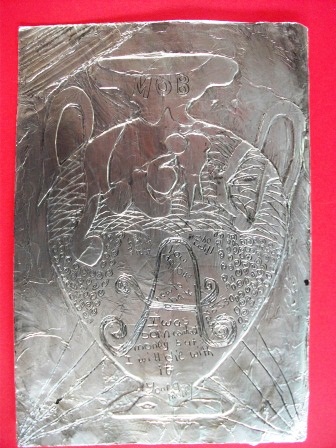
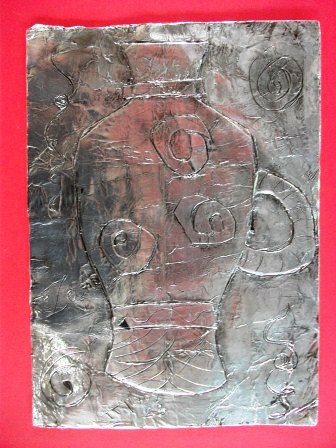
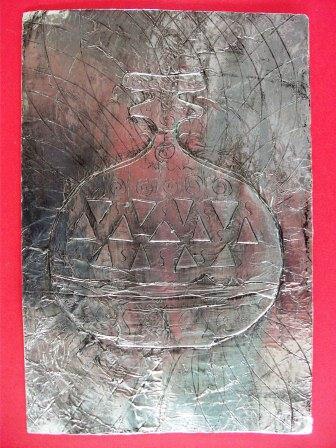
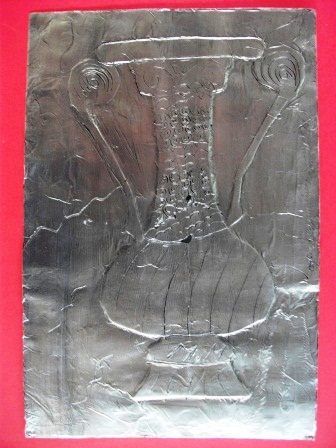
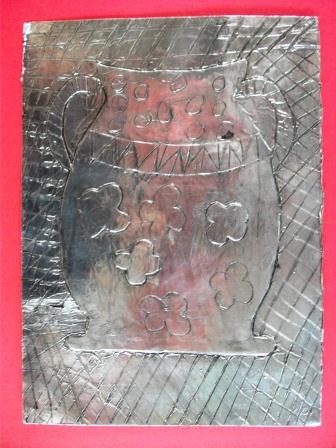
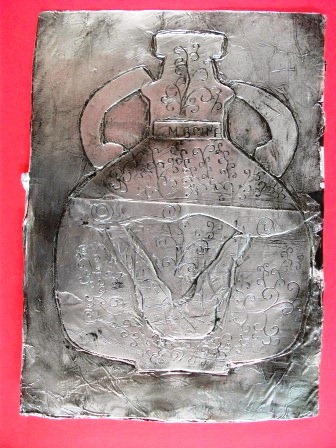
Patterns and repetition,relief art, symmetry and etching were some of the vocabulary used to achieve these art pieces. Grade 7 learners created the relief art (art which is achieved by raised and recessed surfaces)by cutting symmetrical pieces of cardboards in the shapes of vases. They continued to cut and glue until their designs were raised off the background and the designs were beautiful. Afterwards they glued a piece of tin foil over their relief vases and by carefully rubbing and burnishing the tin foil, the designs appeared. Using blunt pencils, they then etched even more designs into their artwork, these etched lines will hold the ink they will apply later on. Then the learners covered the entire surface of their art with a layer of black China ink which actually hid all their work. Finally, with the ink just starting to settle, the learners used tissues and cotton to rub off the excess ink and to reveal their vases which now appear to have a lusterous antique look. Brilliant work!
-
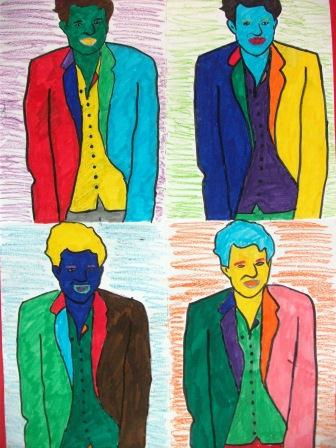
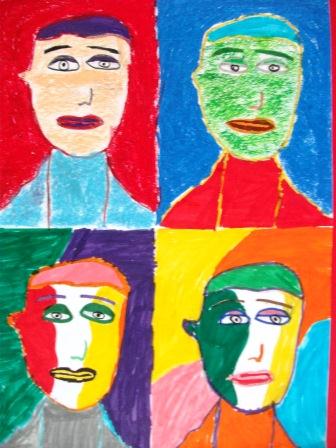
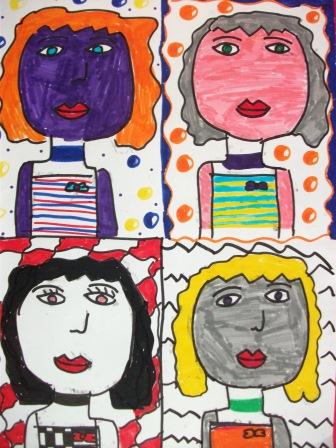
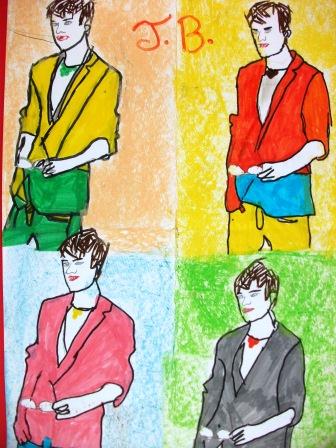
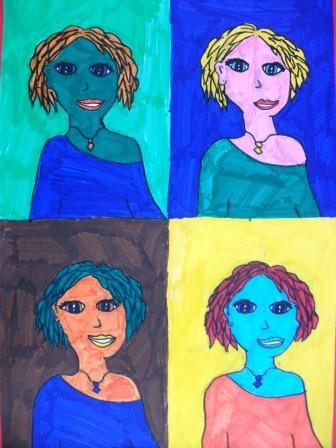
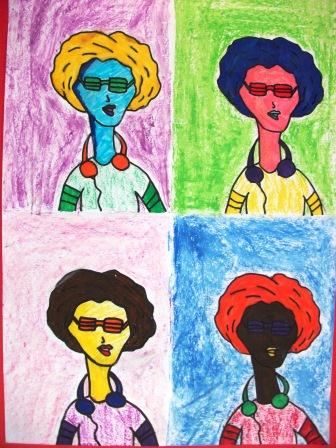
POP ART in the style of artist Andy warhol (click to view photos)
-
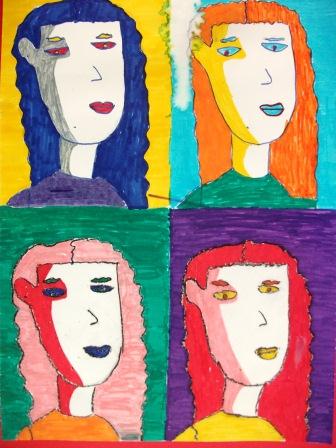
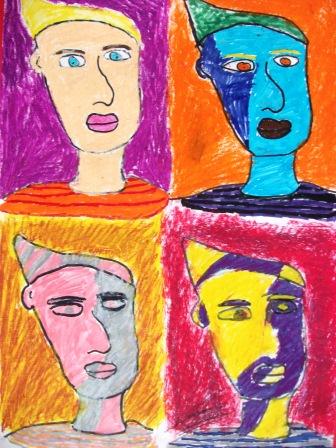
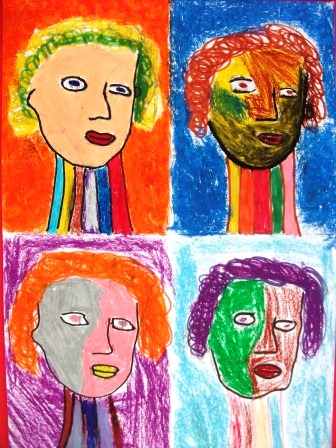
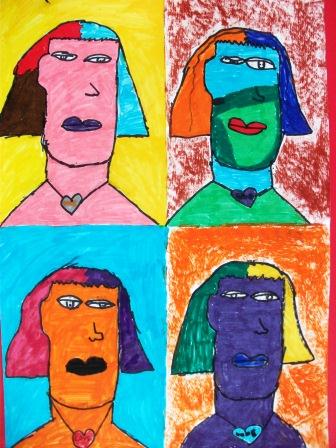
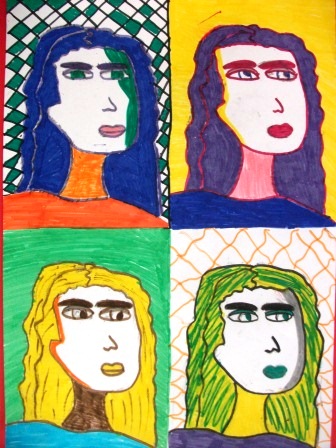
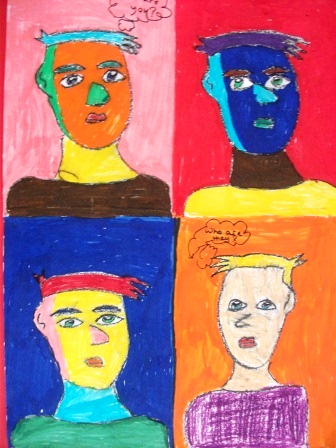
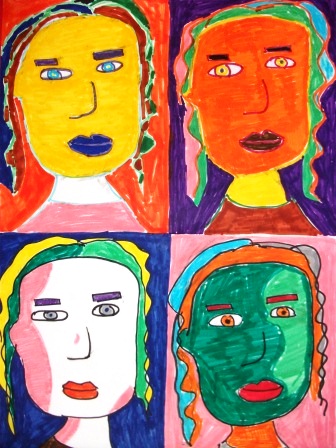
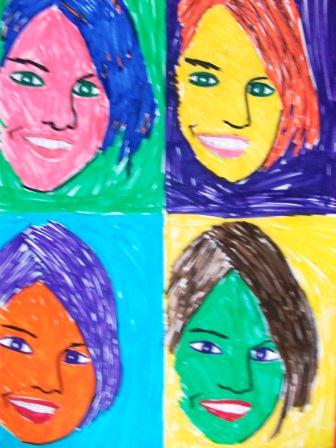
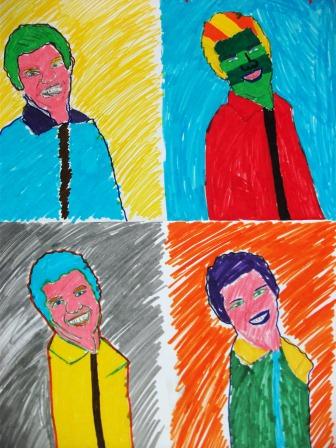
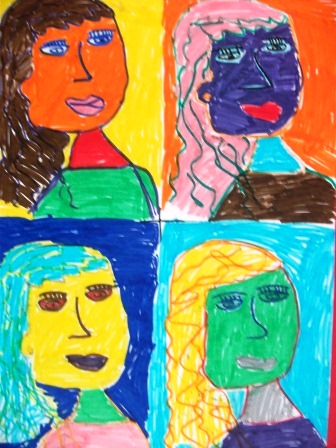
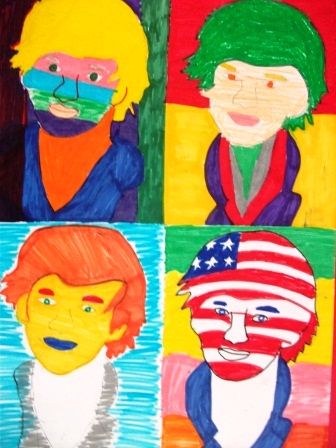
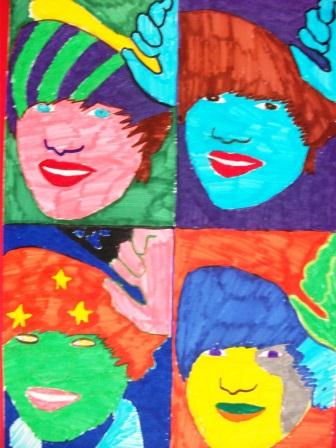
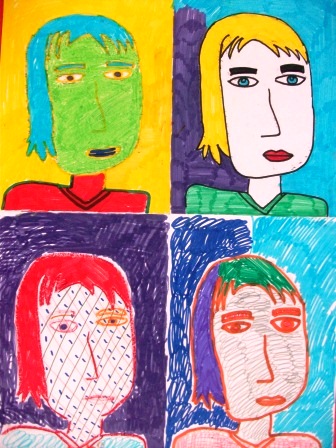
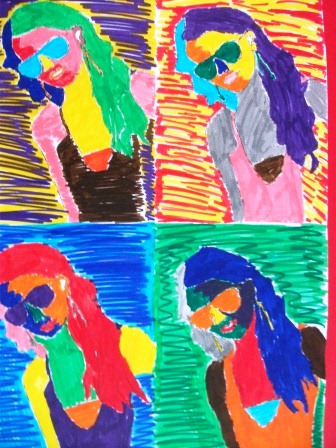
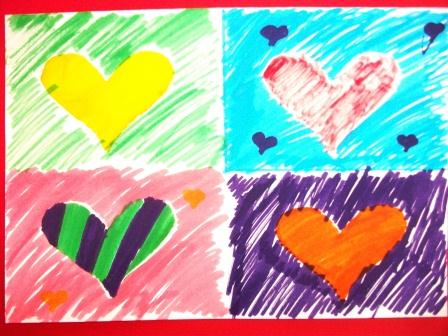
Pop art was a style of art that came about in the 1950's in America. It used everyday commercialized items such as Coca Cola Soda and Cambell's Soup cans as its theme which reflected the "Popular" things sweeping through the culture at the time, thus the name POP ART came about. Many people questioned whether this was art at all. Soon it was everywhere and famous people were also becoming the topic of these paintings. The art was bold, colorful, and new to the art scene. Grade 7 learners took on the challenge to design their own Pop Art... and the results were also bold and colorful. They based their work on the pioneer American artist Andy Warhol who began this style of art. They used one image which they repeated 4 times and then applied colors in a new and exciting way.It was fun and the results are really popular!
-
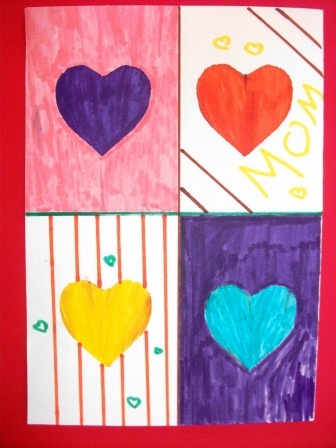
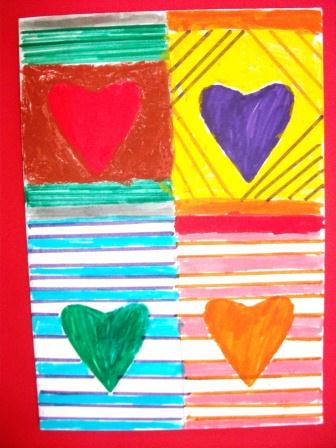
Pop Art Mom's Day Cards (click to view photos)
-
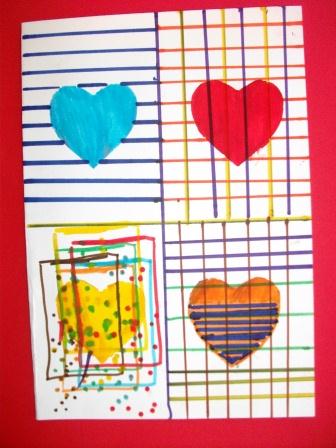
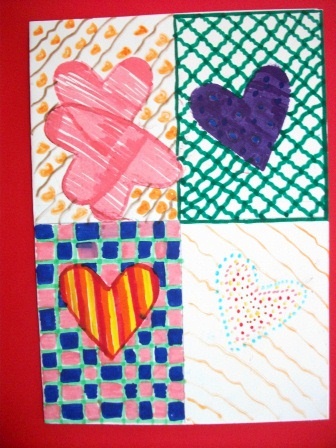
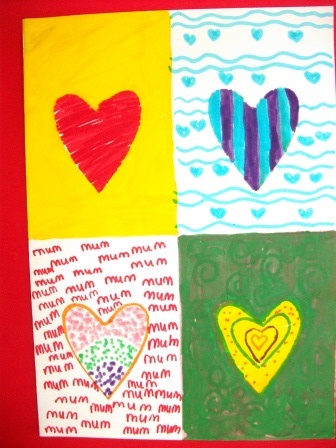
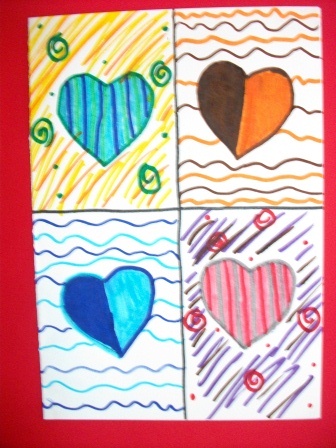
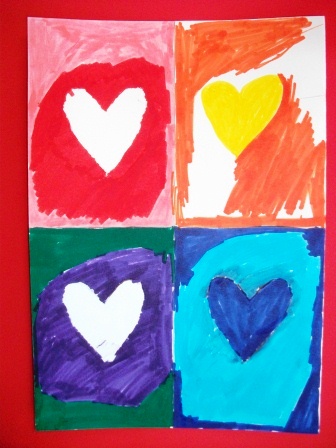
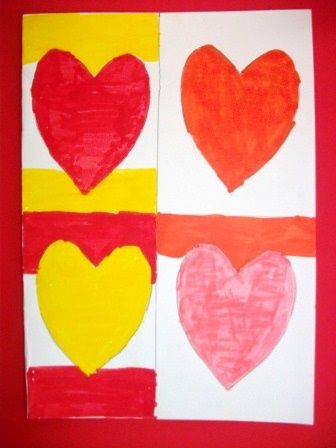
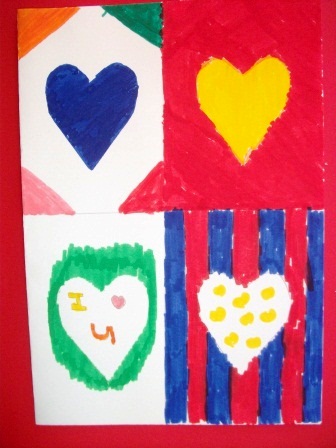
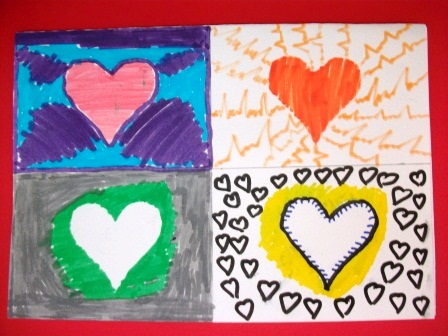
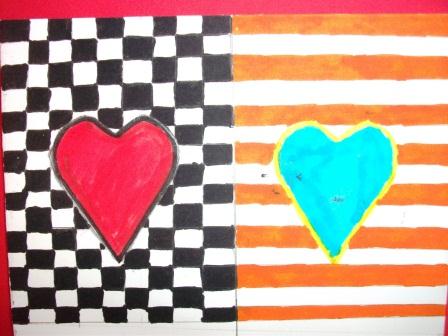
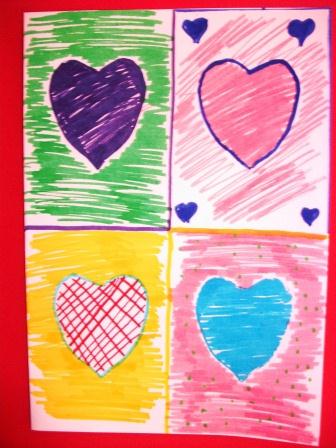
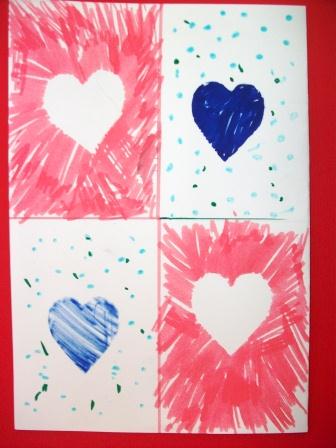
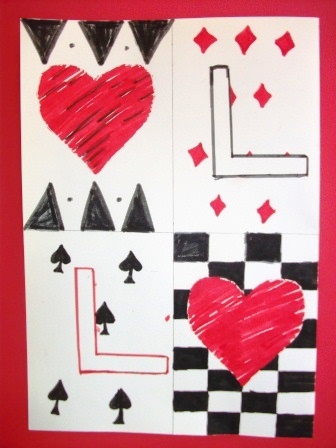
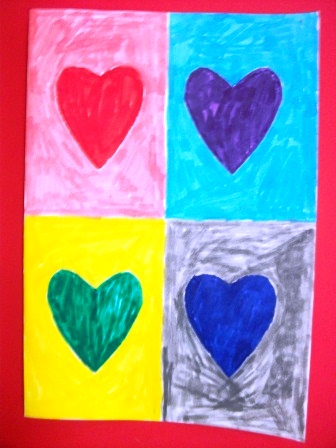
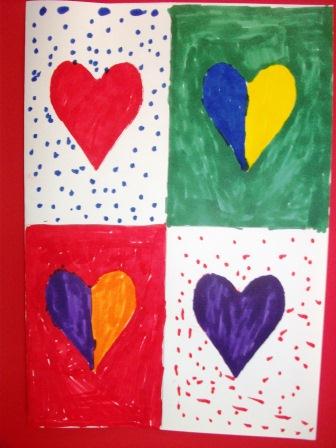
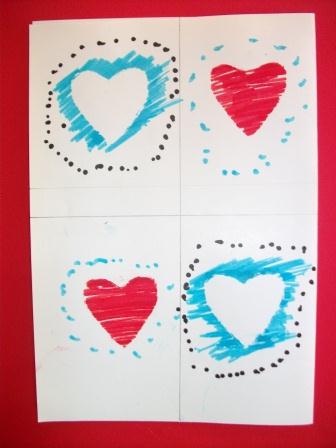
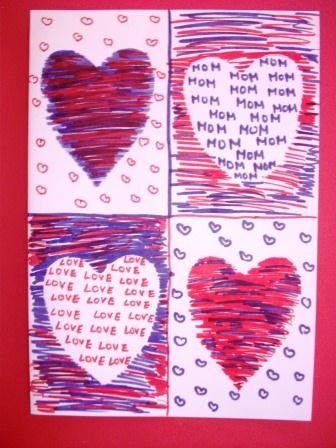
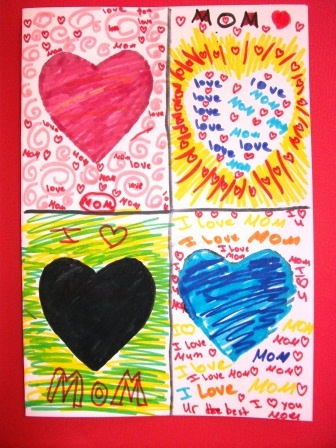
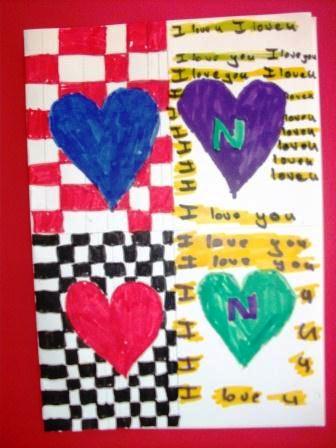
Pop art is a fun, exciting art form which the grade 7 learners have been experimenting with. Pop art came about in the 1970's and was lead by artist Andy Warhol, who used everyday popular objects and famous people as the focus of his bold artwork. The learners are working in this style on another larger scale project, but took a break to create these Pop Art Mother's Day cards. They cut out stencil hearts... then used their creativity to make these cards POP!
-
Warm and Cool Colors (click to view photos)
-
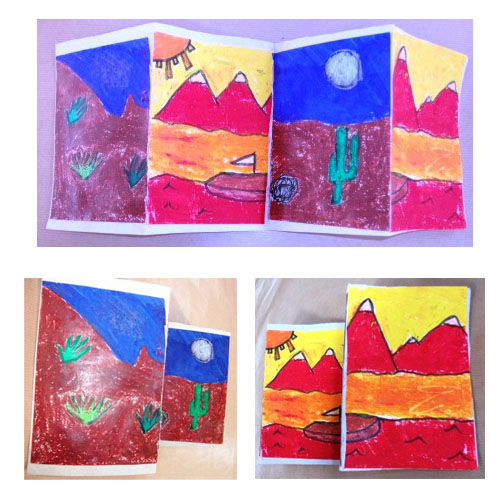
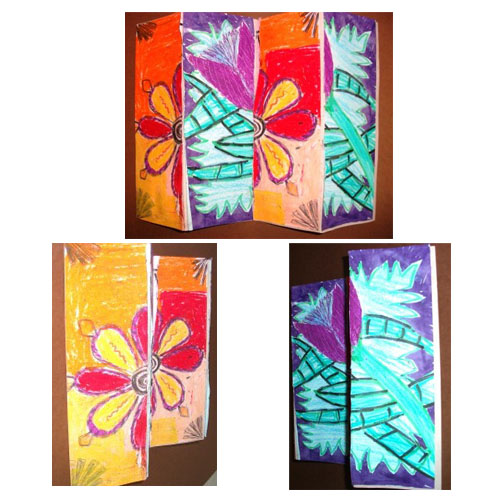
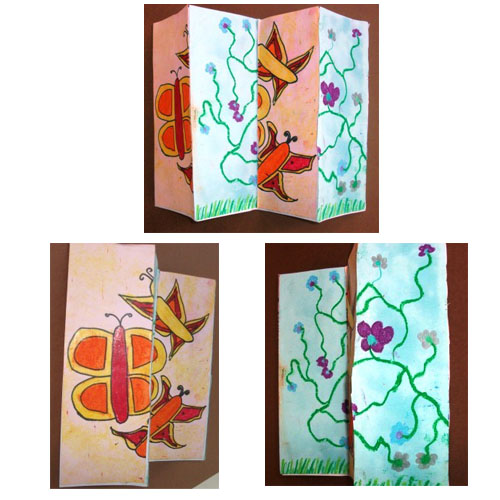
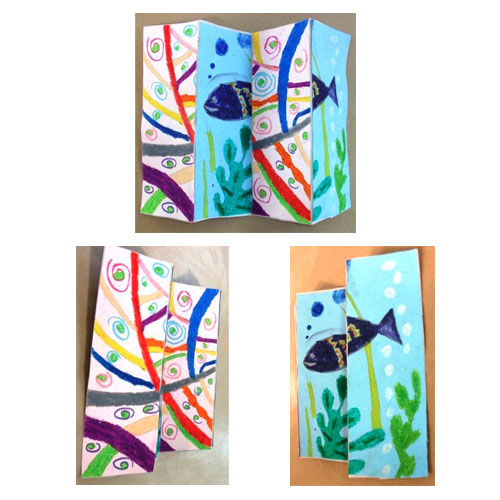
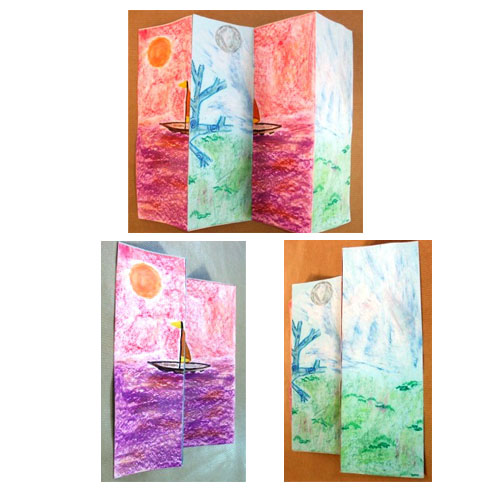
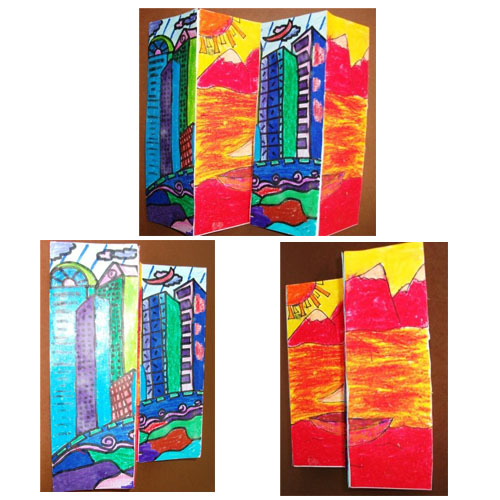
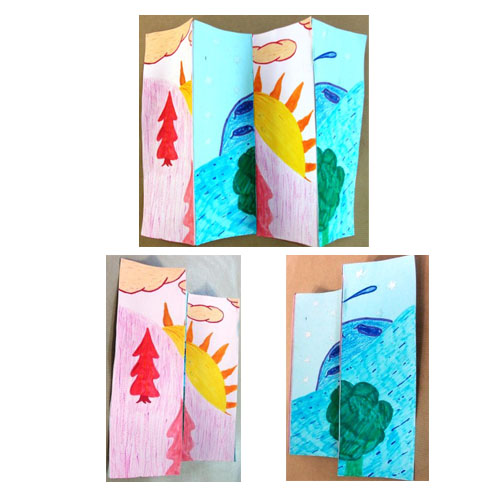
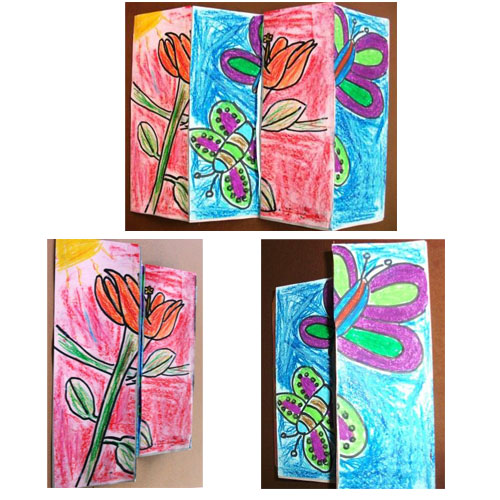
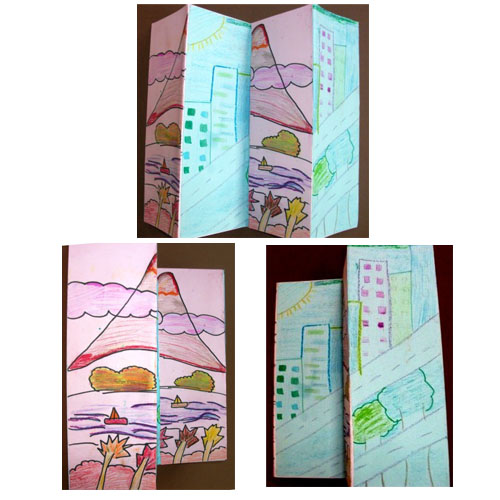
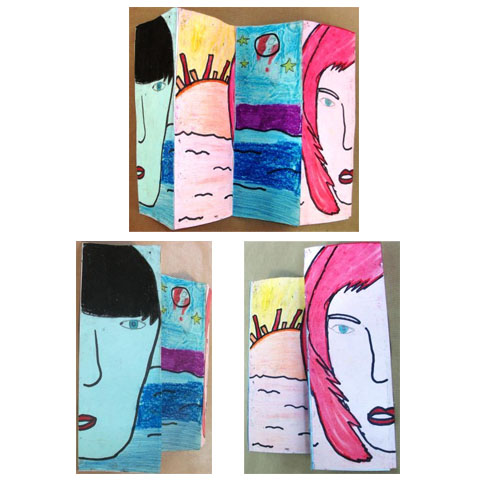
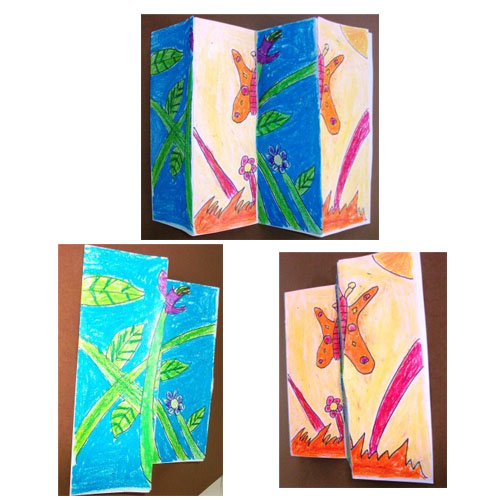
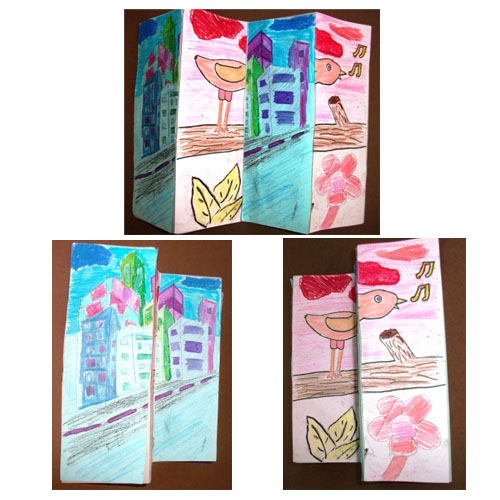
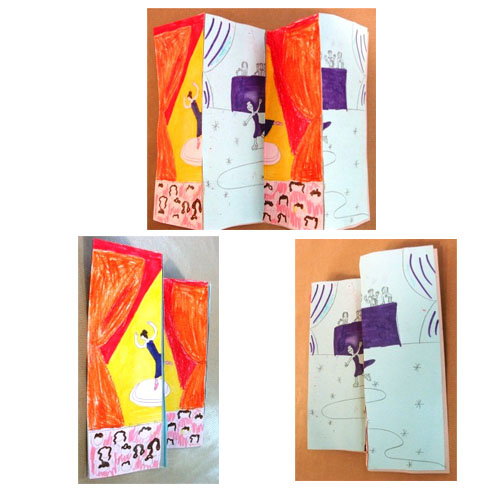
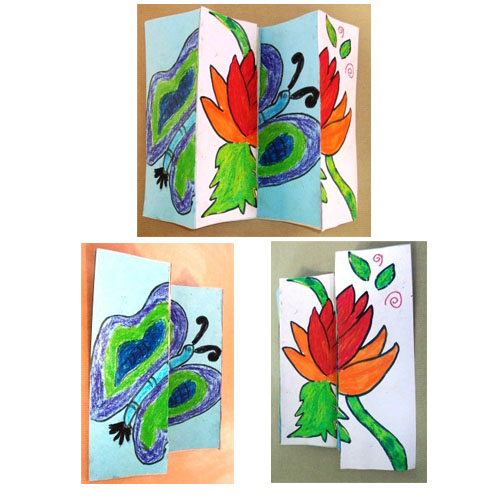
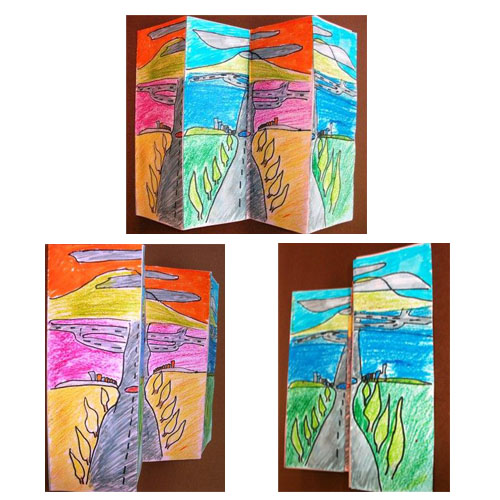
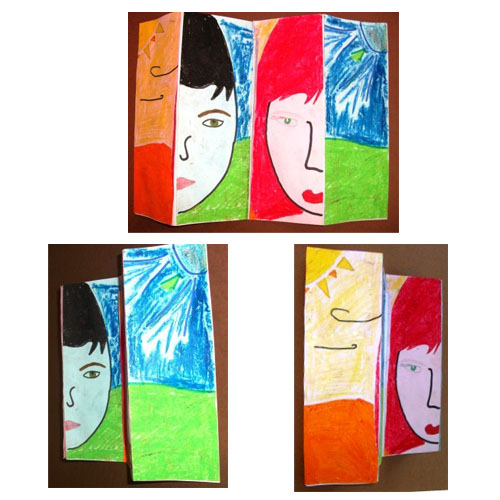
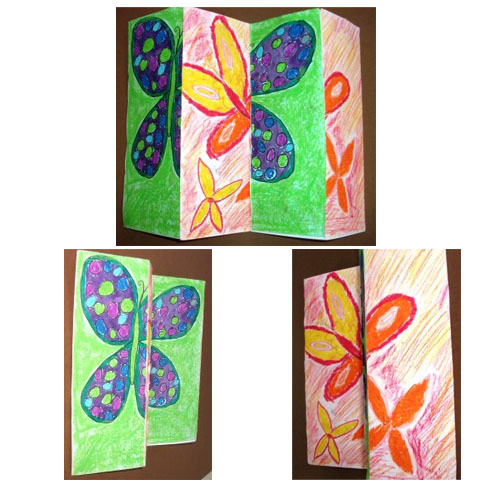
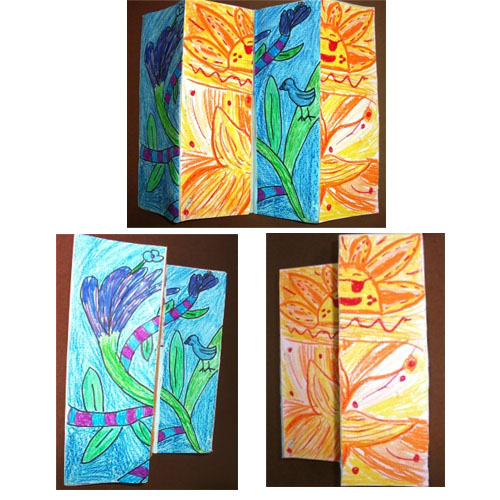
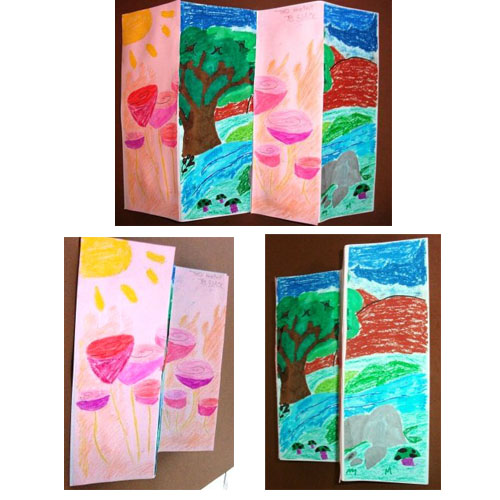
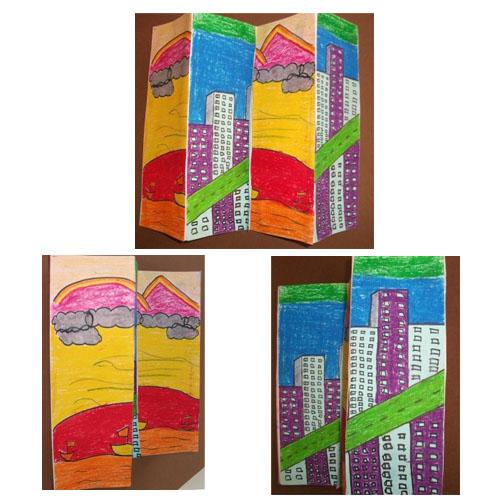
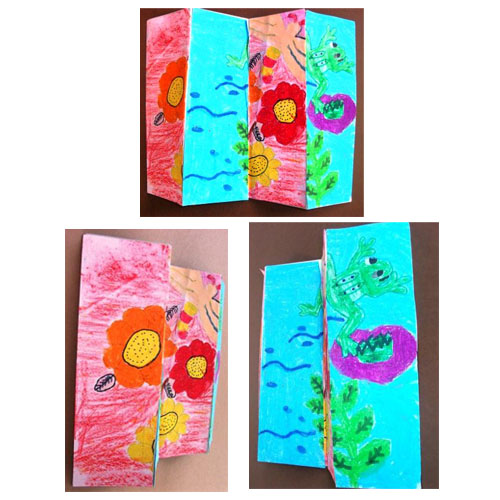
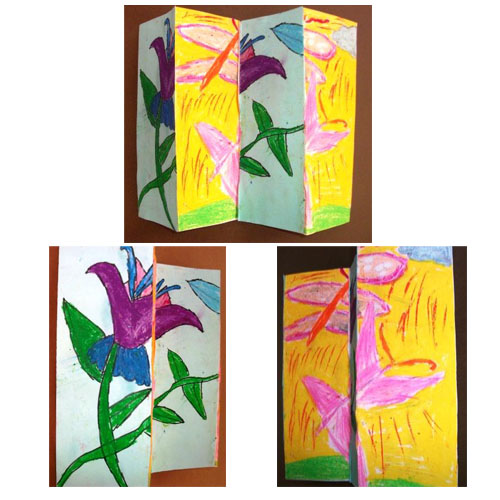
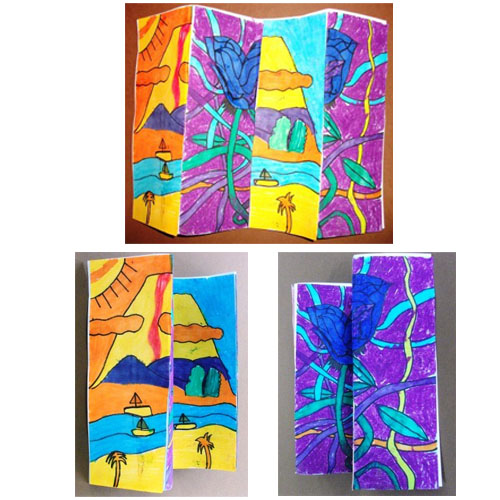
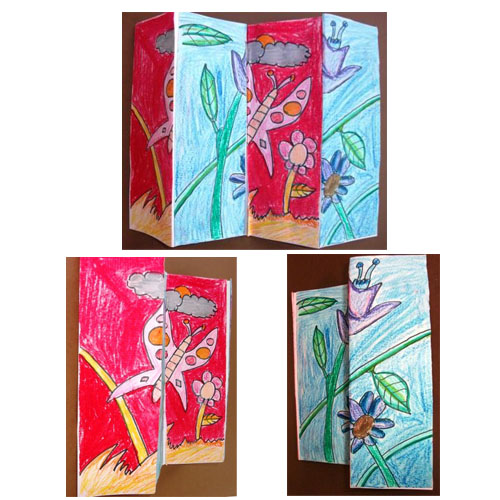
Artists use different colors to give their artwork a certain feeling and to create a certain atmosphere... whether it is day or night, warm or cool, sunny or misty. Sometimes a painting can project a warm happy feeling and other paintings a cool distant feeling. This can be achieved through using either warm colors or cool colors. Colors are separated into groups... the warm ones are the red, yellow, orange and all the tints of these, they actually look hot like fire. The cool colors are the blue, green and violet as well as their tints, more like the cool sky and water. The grade 7 learners used the warm colors in one drawing and the cool colors in another picture giving the two pictures a different atmosphere. Then they CUT their two pictures in half and glued them alternatingly on a zig zag folded background. When the two merged pictures are viewed from straight on, they look a little like jumbled pictures. But when you look at the pictures at an angle from the left side the warm picture appears... and from the right side, the cool picture appears! See for yourself below...
-
Lab Equipment Paintings (click to view photos)
-
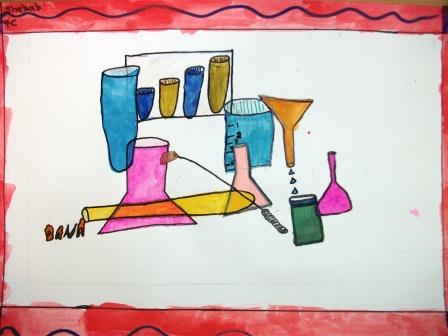
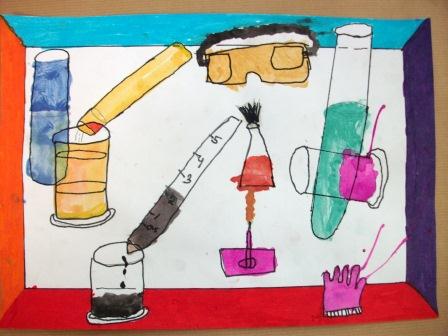
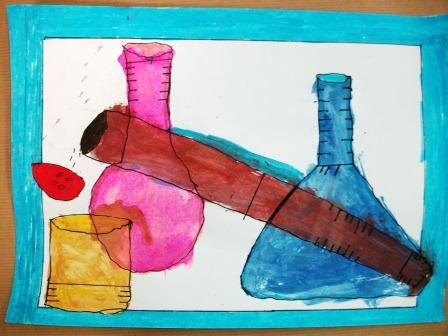
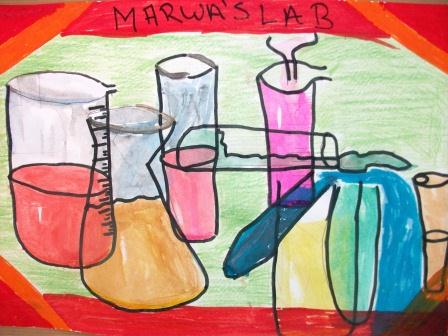
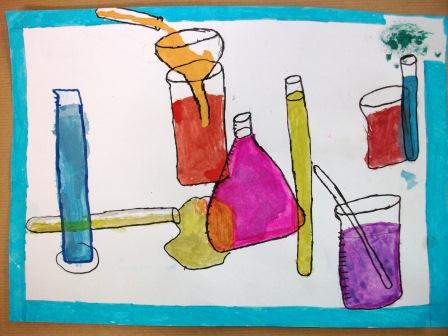
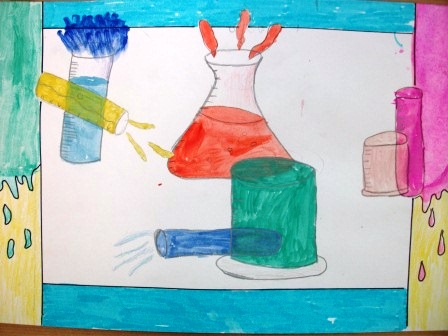
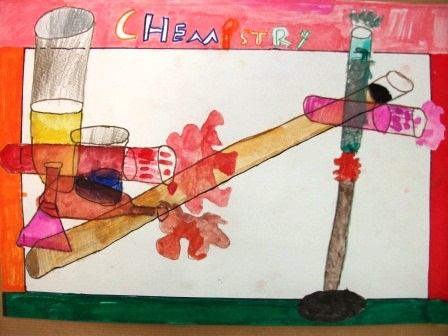
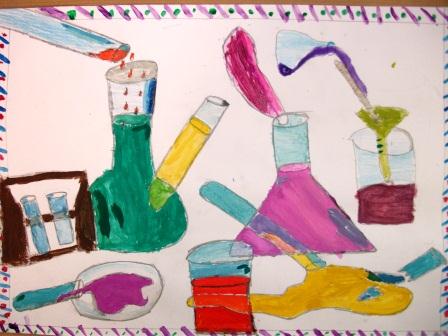
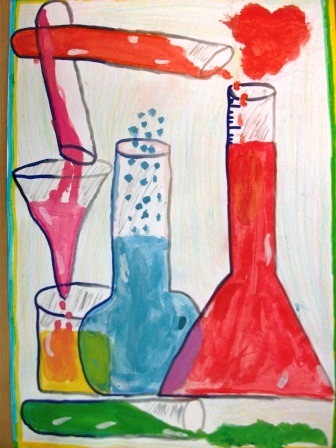
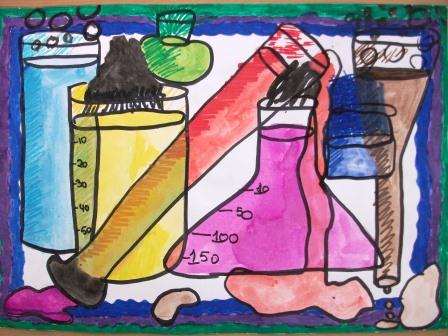
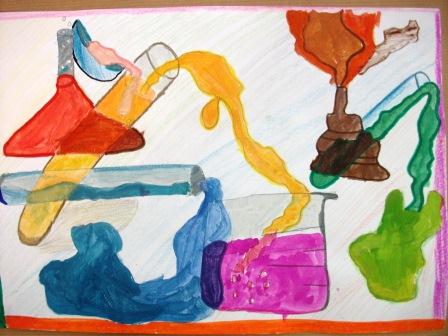
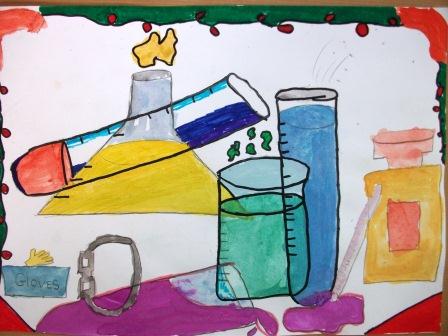
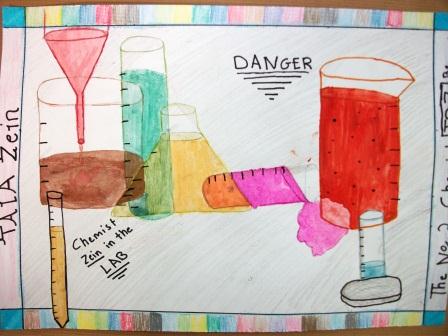
The grade 7 learners used their painting skills and knowledge of the color wheel to create these scientific paintings. It was an integrated project whereas the learners used their science equipment in the art room...test tubes, beakers, flasks, graduated cylinders... They used transparent colors to achieve transparent looking glassware and then they used their artistic creativity to make these paintings come alive.
-
Colorful Color Wheels (click to view photos)
-
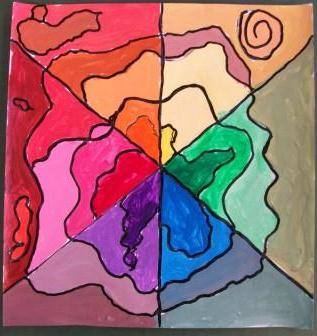
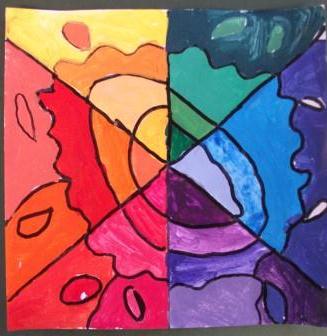
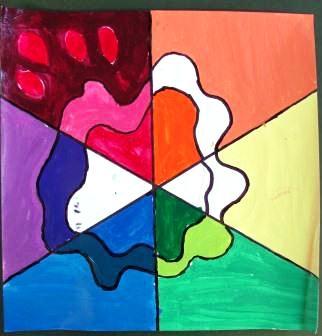
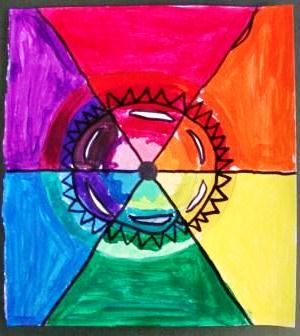
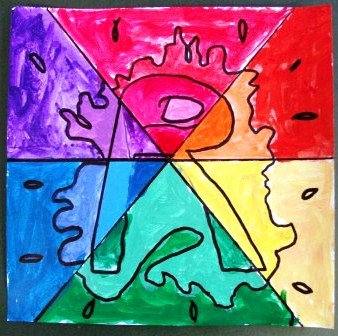
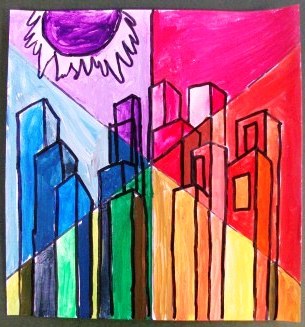
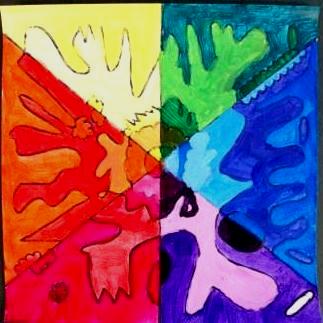
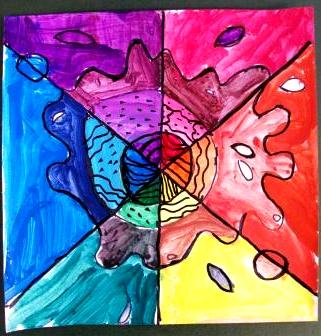
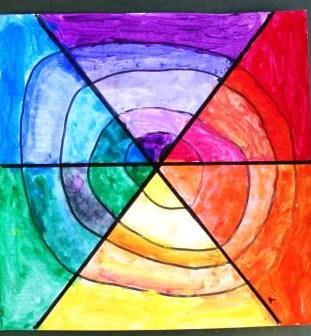
The grade 7 learners created these colorful color wheels while exploring how colors mix and match. They learned about primary colors, secondary colors, complimentary colors, neutral colors, and values and hue, as well as warm and cool colors. A lot of mixing was done to achieve a range of colors from light to dark and bright to muted. Learners found that by mixing only red, blue, yellow and white they could achieve an endless array of colors. They also learned that this spectrum of colors exists in our universe always in the order on the color wheel.
-
Still Life Collages with Values (click to view photos)
-
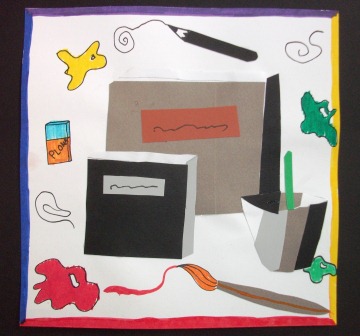
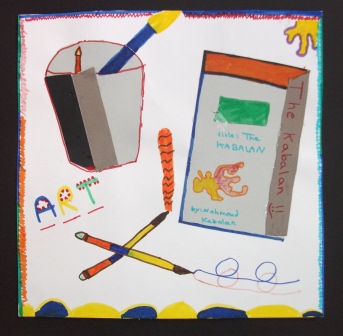
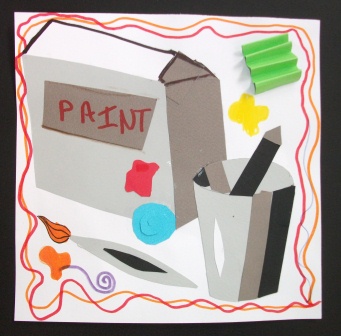
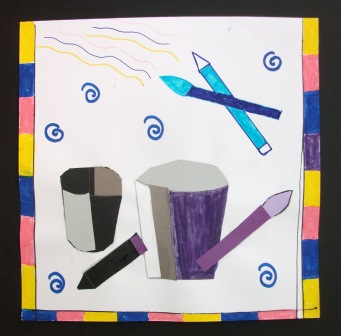
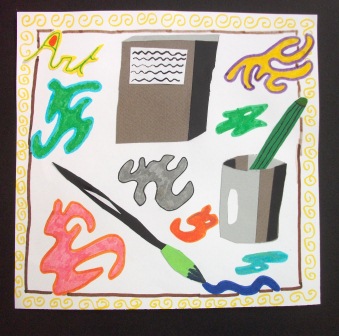
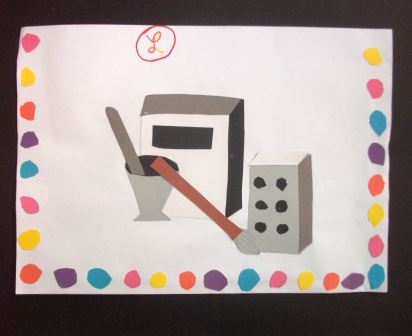
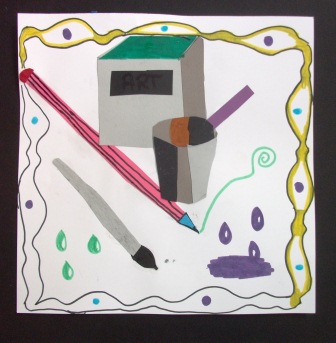
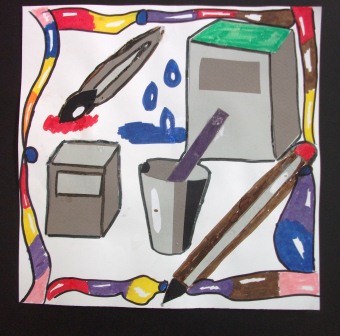
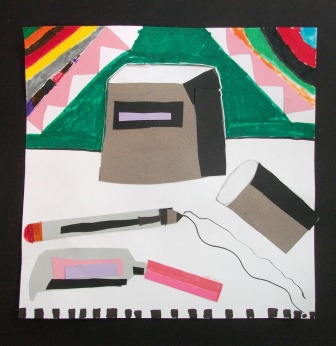
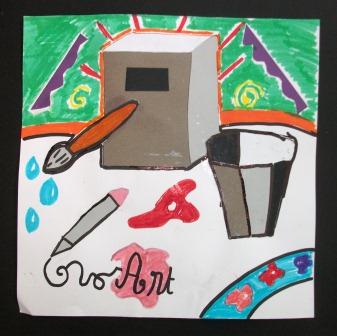
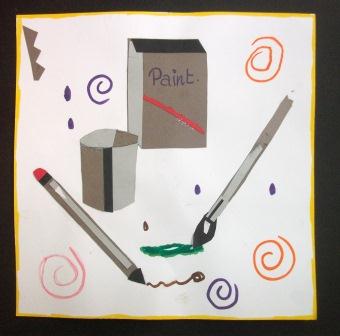
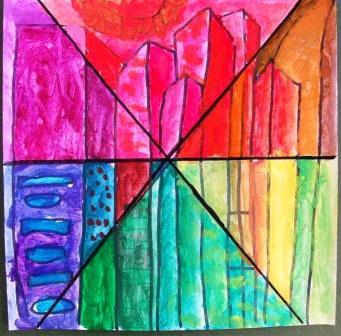
The Grade 7 learned that art has values... the light and dark values (tones of shading) that make a picture pop out in a 3D way. Learners made collages of everyday art materials focusing on the forms and their values. Using paper cut outs from white, grey and solid black papers, the forms of boxes, cylinders and art tools came to life. Then they gave their collage a splash of color to bring out the joy in art.
-