
Art Gallery
Clay Coil Pots (click to view photos)
-
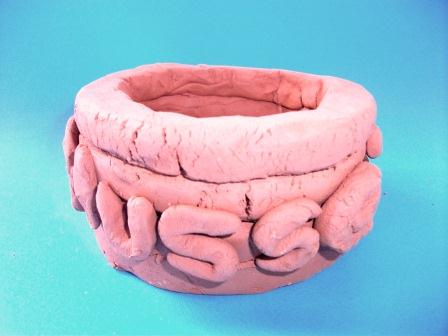
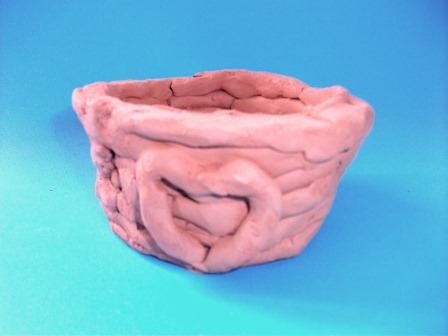
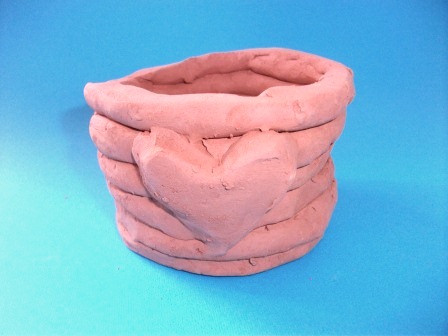
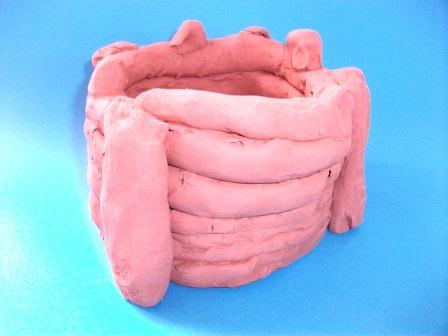
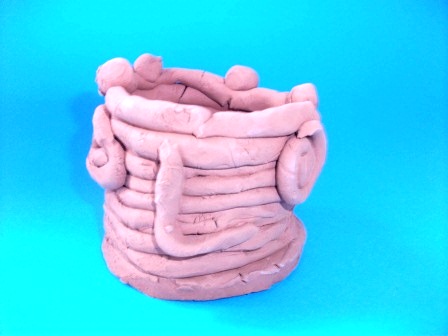
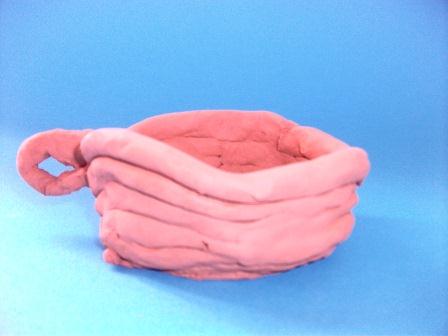
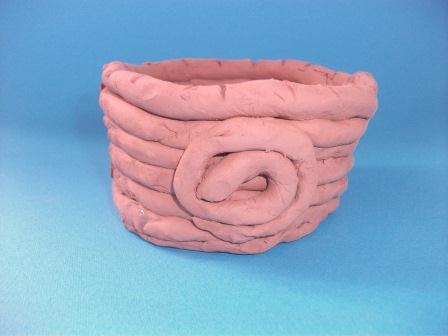
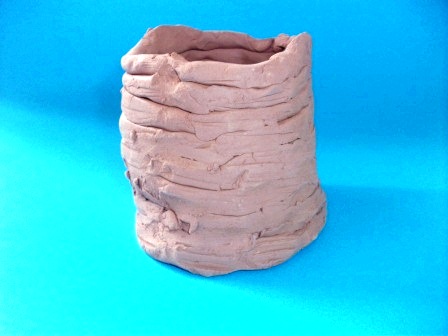
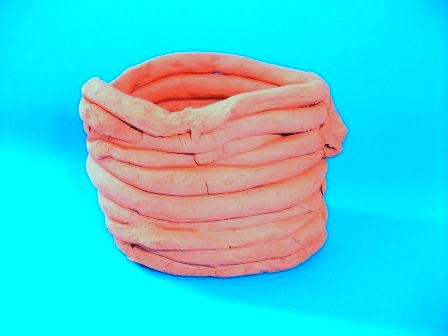
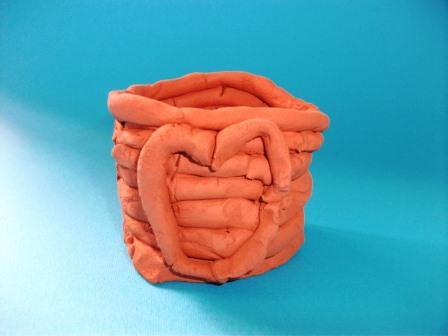
Sixth grade artists learned how to create clay pots by roiling coils! Each student started by flattening and rolling out a ball of clay for the bottom of their pot. Pieces of clay were pinched off of a larger ball of clay, rolled into coils and attached using slip(a mixture of clay and water used as a glue)to build their pots.The learners were sure to use the tools properly to insure a strong clay pot. The pots were then sent off to be fired in a kiln, where they became even stronger and turned the beautiful terra cotta color seen here.
-
-
-
 Sama Haddadin
 -
-
 Rafic Radwan al dana
 -
-
-
-
-
-
Inventive Sculptures (click to view photos)
-
One of the most famous artists was Leonardo da Vinci who was also a scientist, mathematician, and inventor. Leonardo used all his senses and to soak in his surroundings and try to make sense of his world. He created many beautiful paintings, the most famous the Mona Lisa... but he did more than just paint. He was also a very forward thinking man, a true Rennaisance man. Leonardo kept journals and skecthbooks of nature, human anatomy and his inventions such as flying machines, submarines, and even city planning maps.... Grade 6 learners, inspired by Leonardo's inventions, built their own inventions. They used found objects to recycle into their sculptures which were as varied as the learners...from games,city planning,submarines, to even a pair of protective gloves for chefs.... While some learners worked alone others chose to work in groups.
-
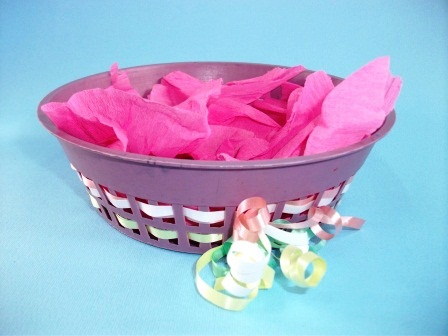 A simple basket made from weaving and decorations
 -
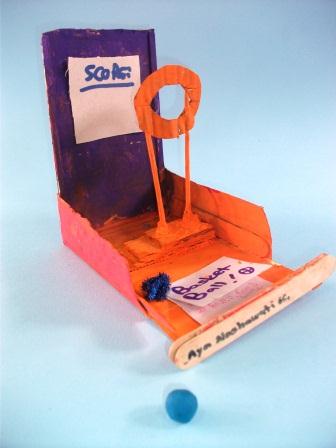 Game Time... a free throw desk top game to keep you occuppied
 -
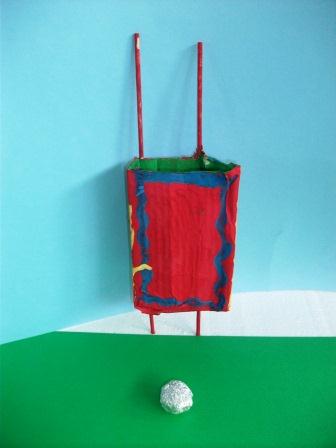 GOAL... a fun game to play with 3 games in one
 -
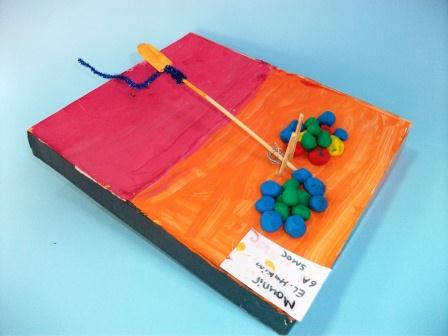 Inspired by da Vinci"s catapult, a firing assault weapon
 -
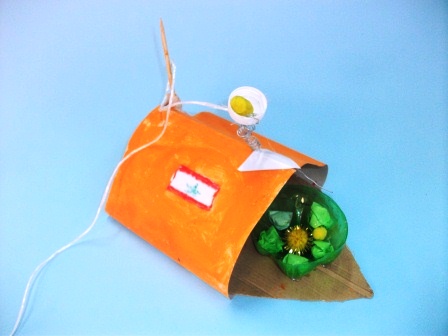 A super sonic floating ship with abilities to launch weapons
-
Easter Art Work (click to view photos)
-
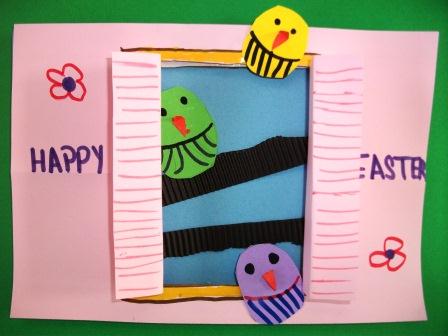
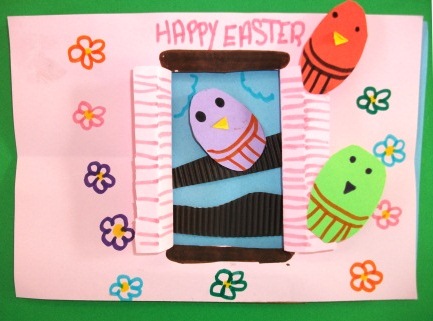
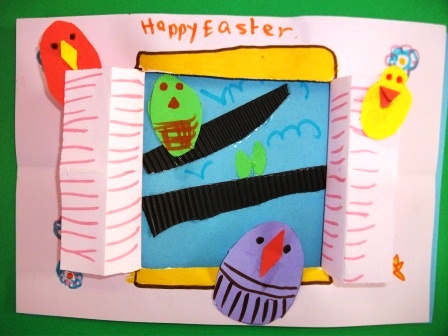
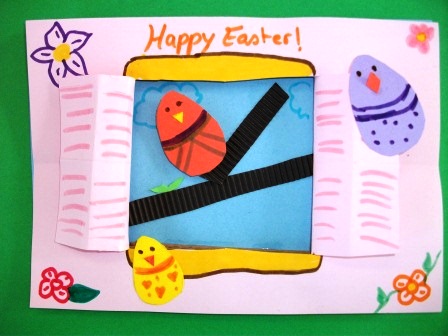
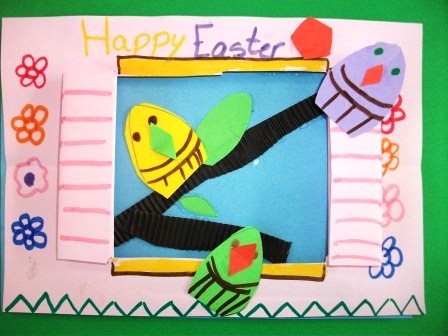
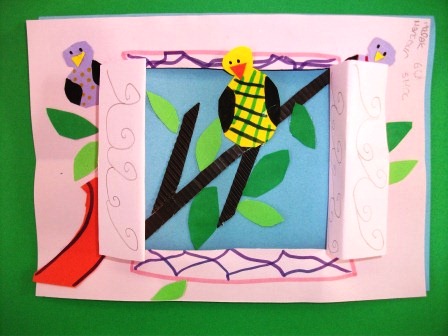
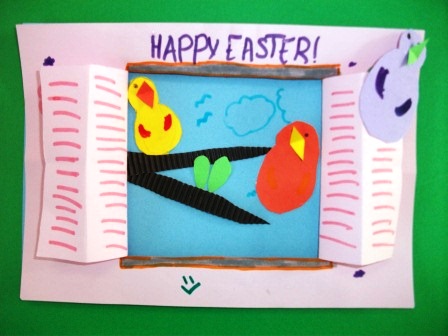
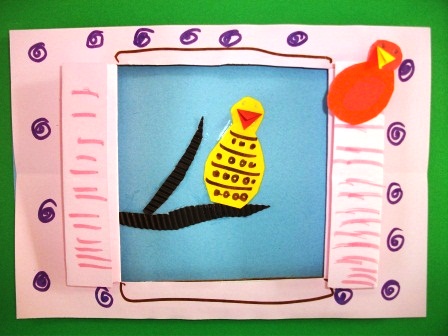
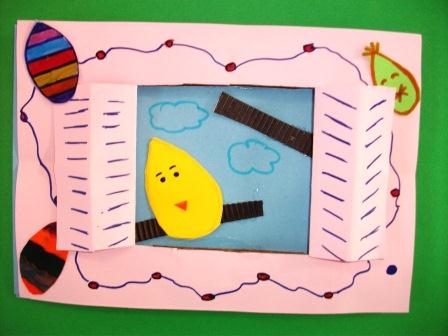
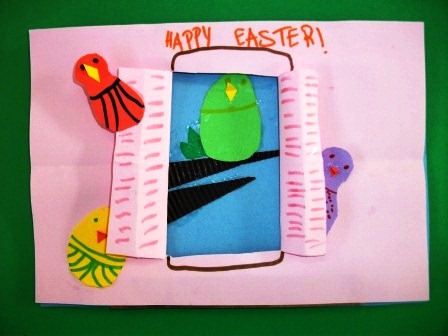
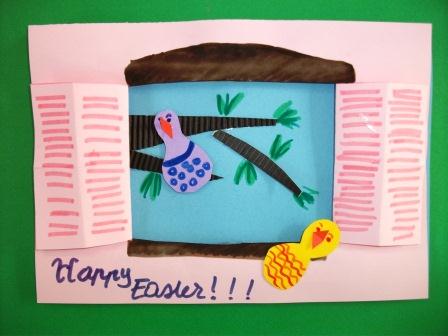
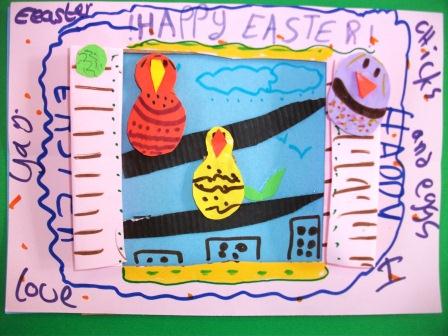
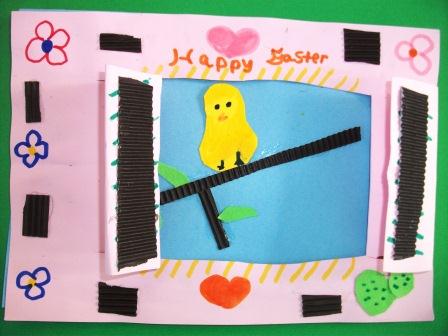
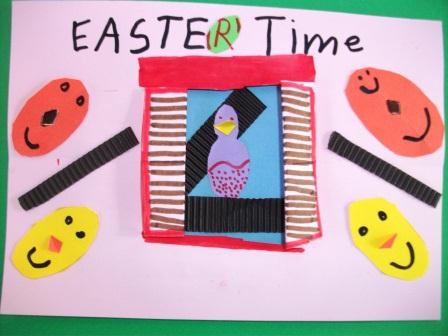
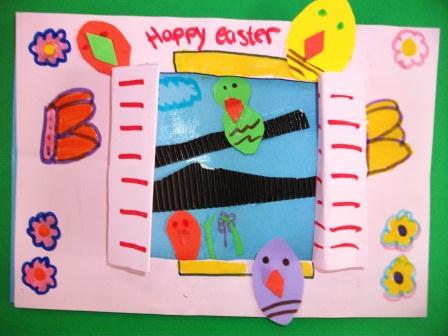
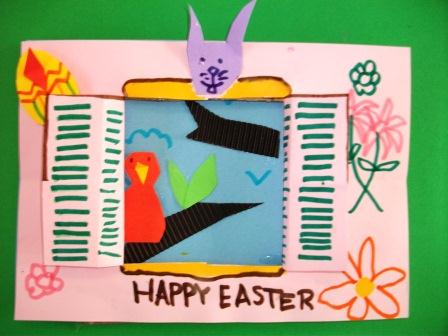
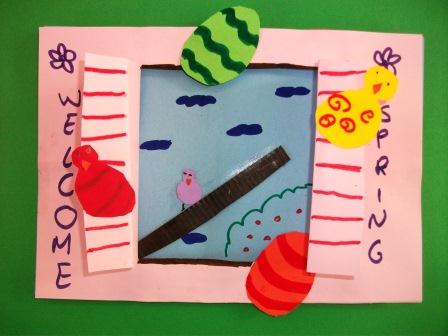
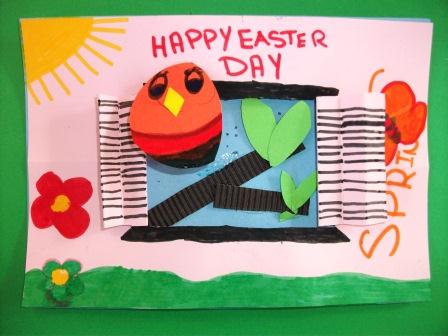
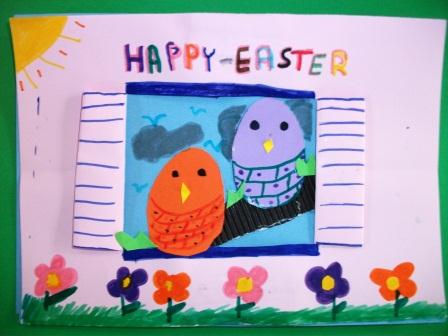
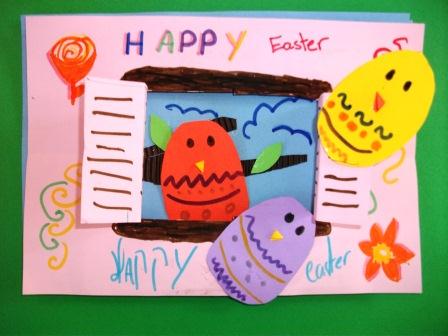
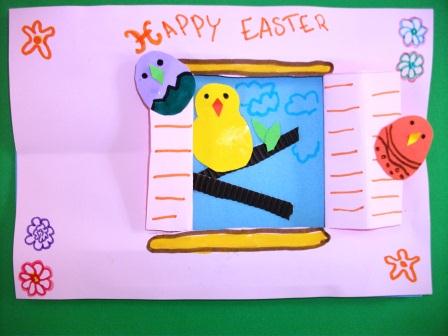
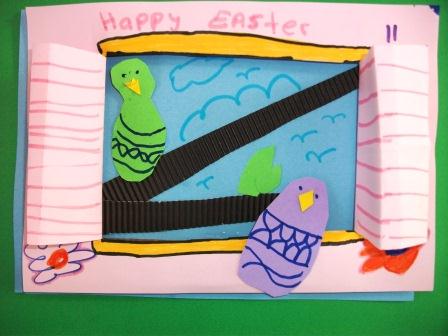
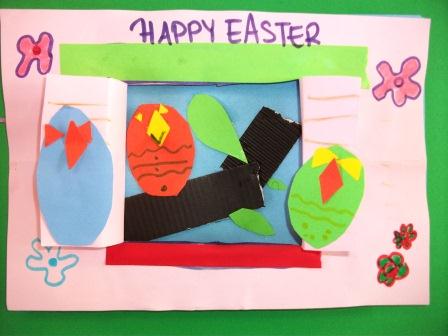
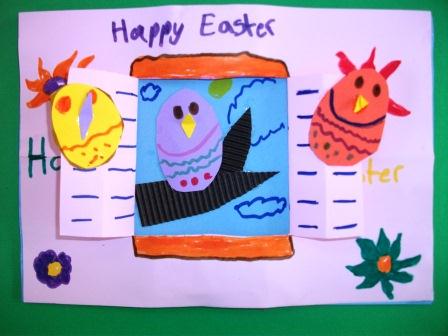
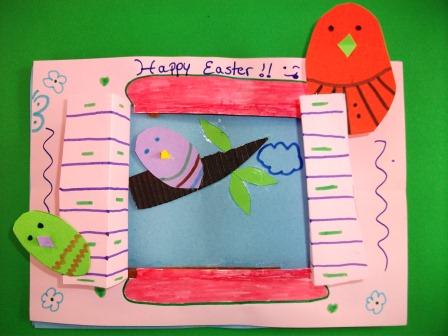
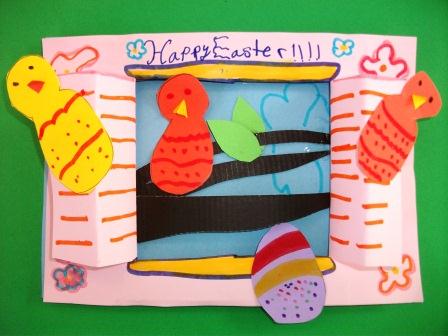
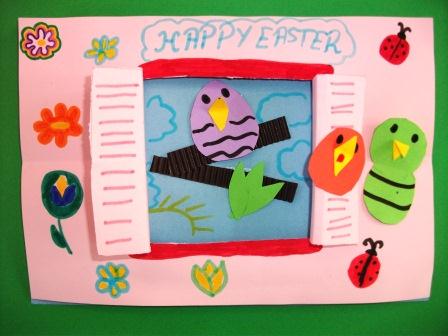
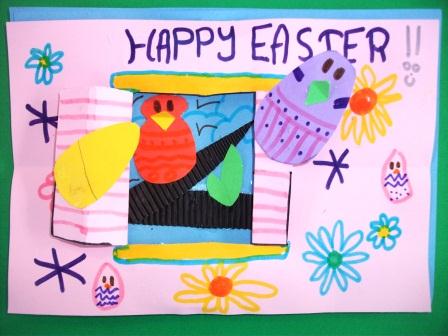
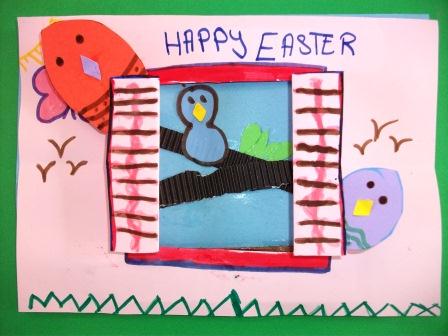
These beautiful pastel colored popped open windows showing birds and Easter eggs were created by Grade 6 learners. They cut open their papers to create a 3D effect and used colored papers and markers to decorate the artwork. Chicks and eggs were added to celebrate the Easter holiday.
-
Bouquet of Flowers for Mother's Day! (click to view photos)
-
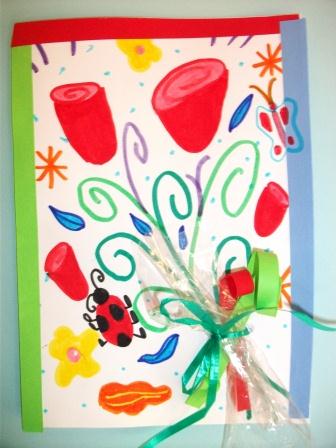
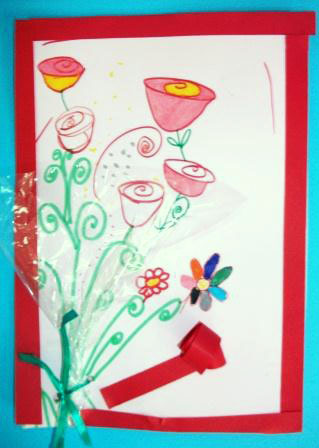
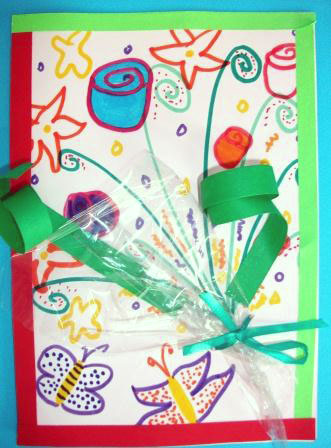
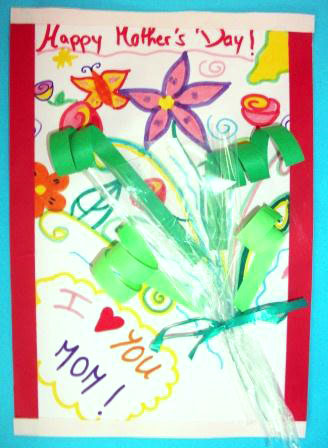
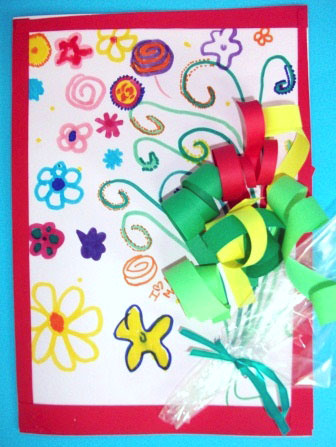
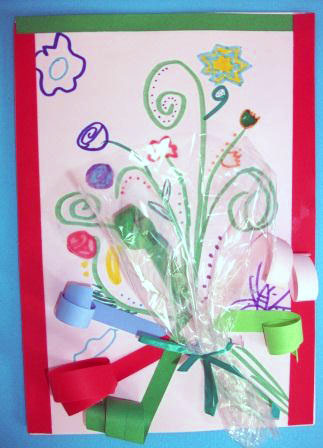
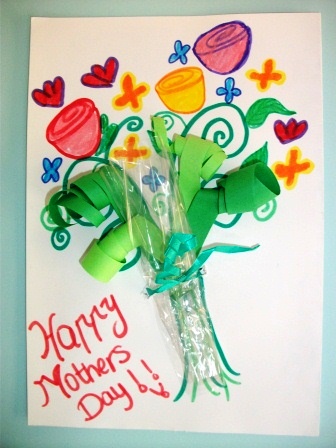
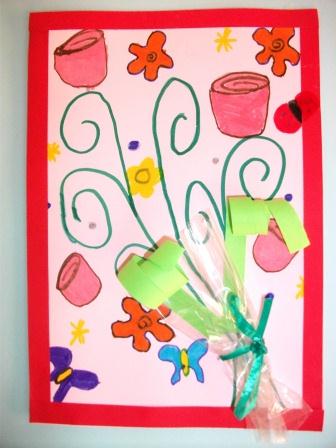
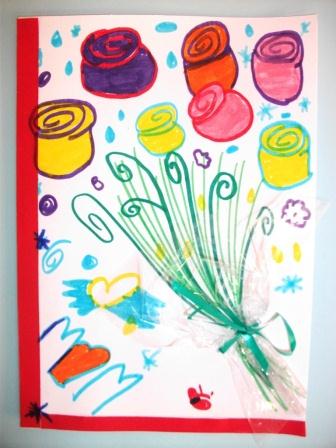
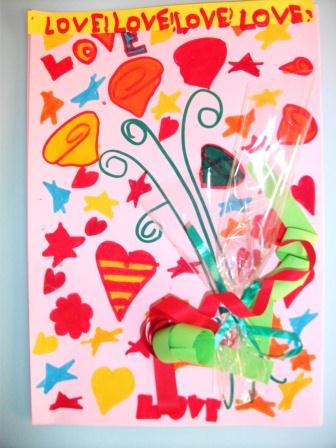
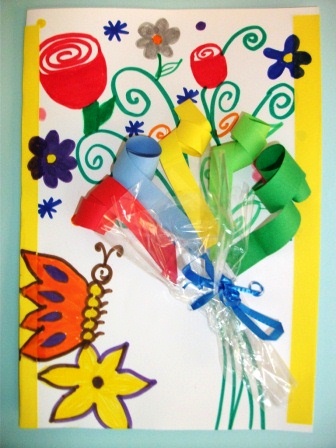
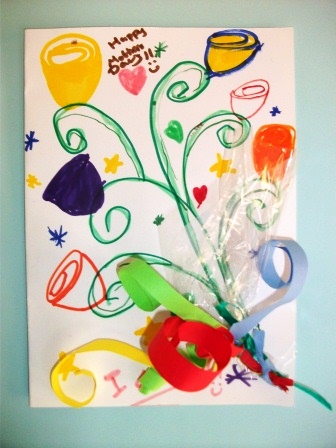
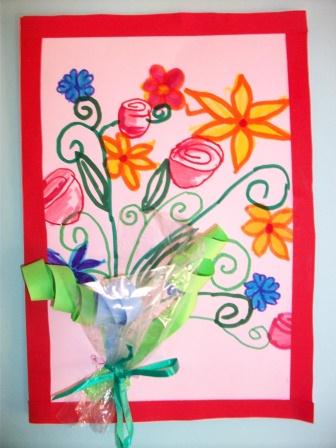
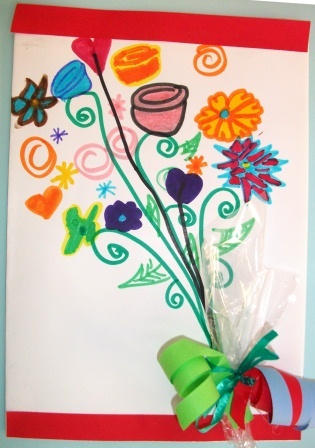
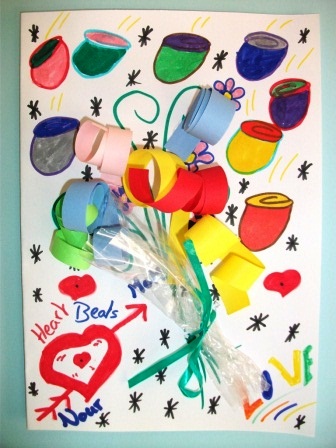
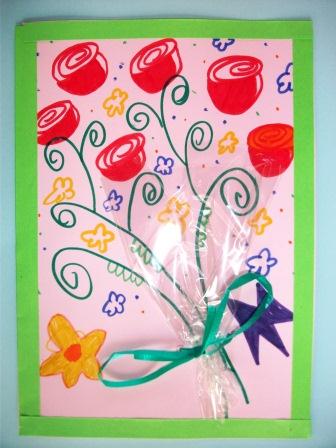
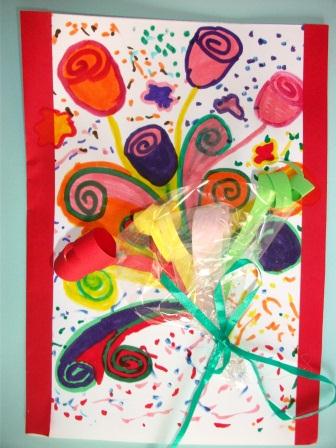
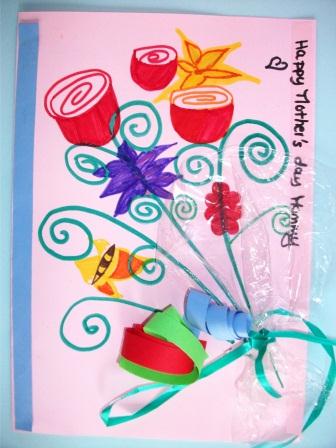
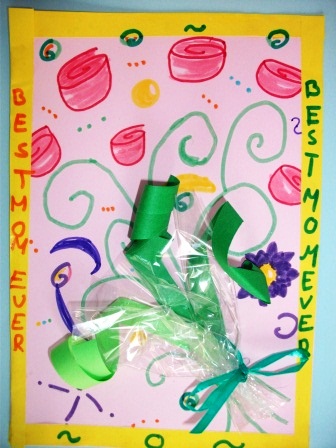
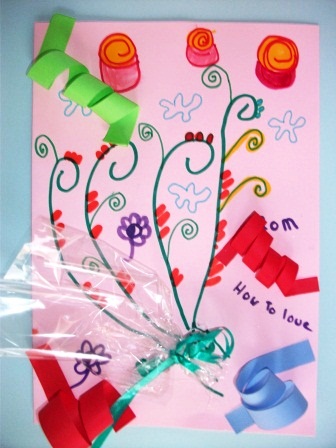
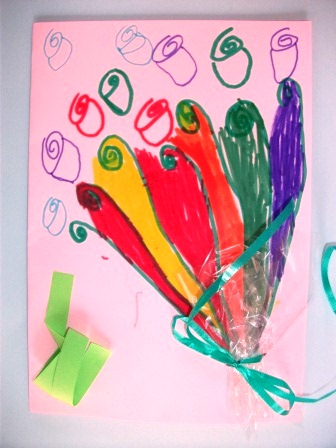
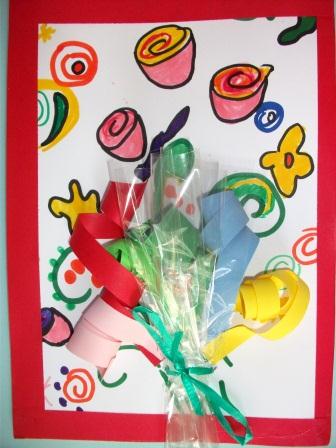
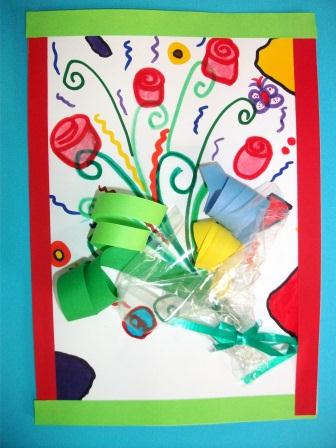
Grade 6 learners got ready to celebrate Mother's Day by creating these very pretty cards with a bouquet of flowers. Stylized flowers were drawn with a festive flair and then ribbons and cellophane were added (in a collaged way) to make the flowers look like they are in a bouquet. The results were sparkling! I am sure the Moms will be thrilled with their cards... Happy Mother's Day!
-
Painting in the Style of Pablo Picasso (click to view photos)
-
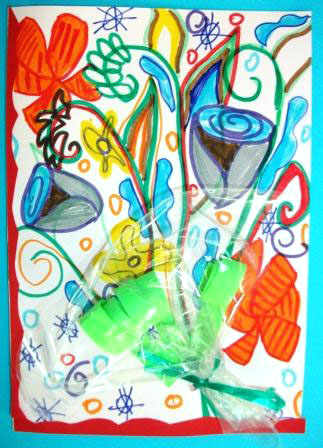
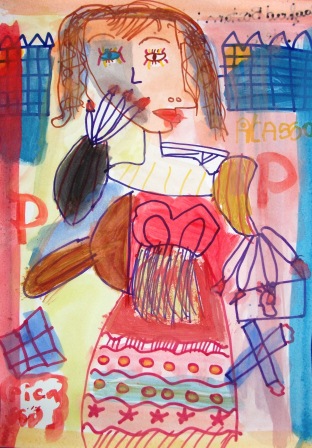
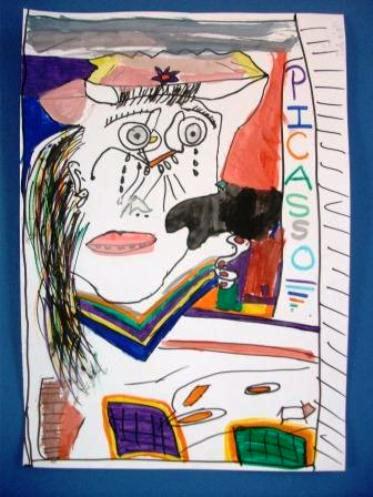
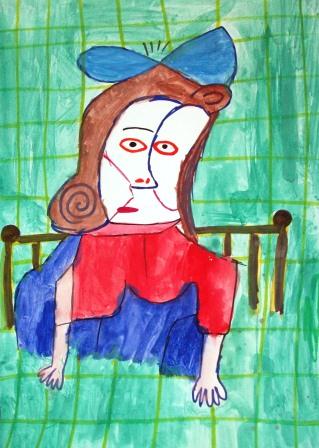
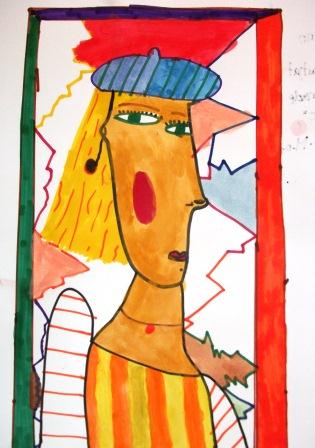
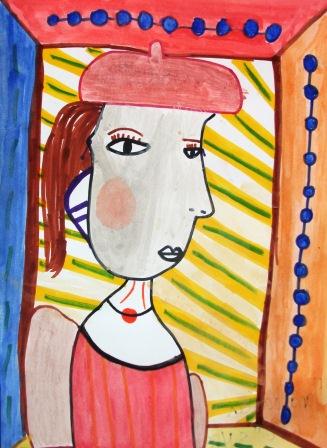
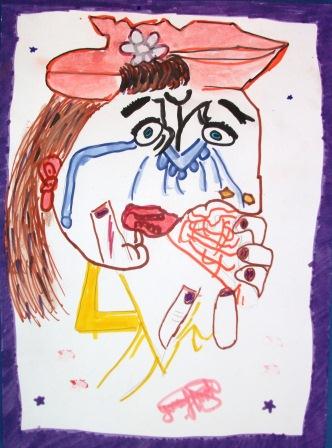
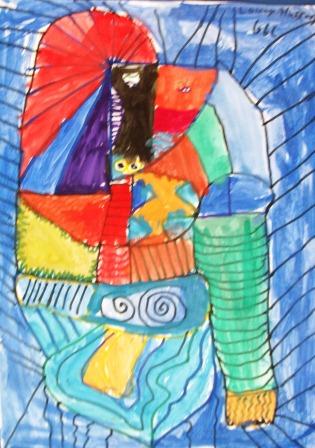
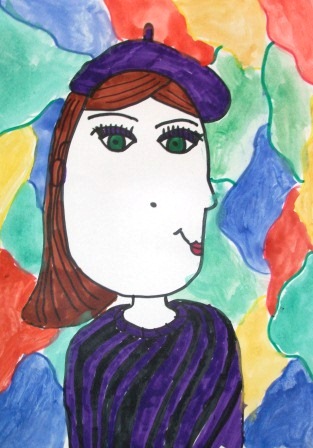
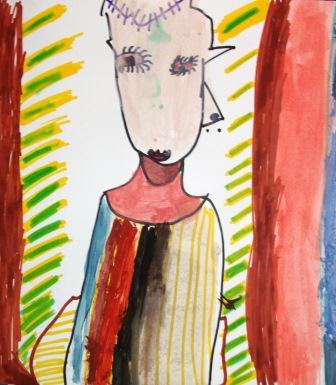
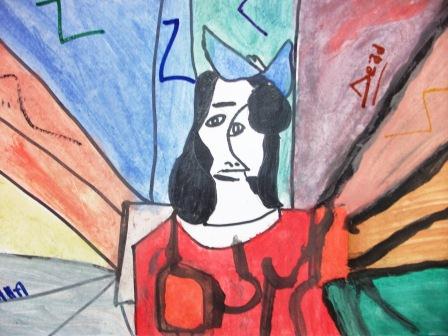
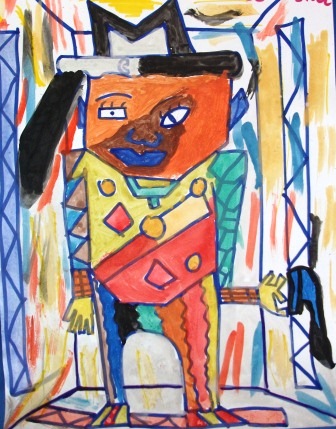
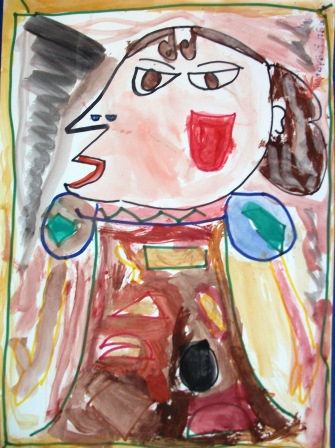
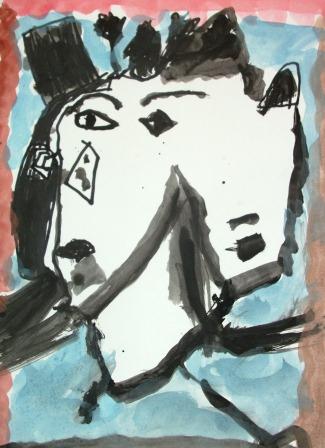
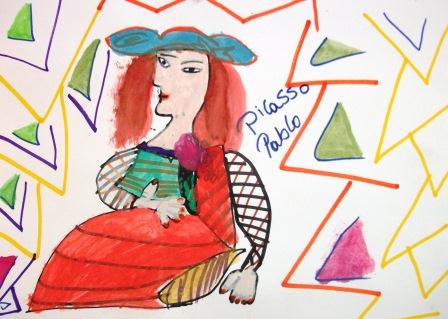
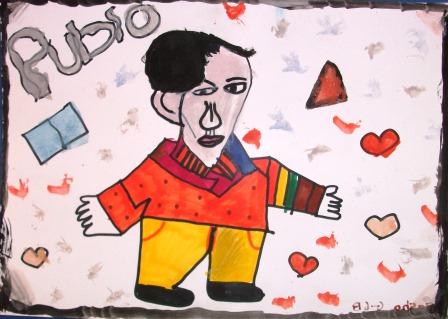
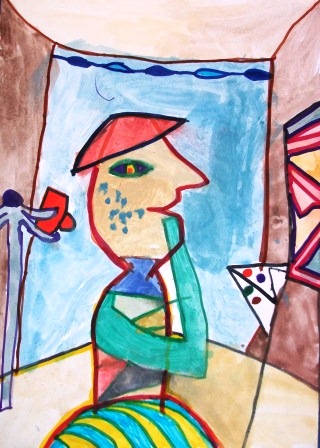
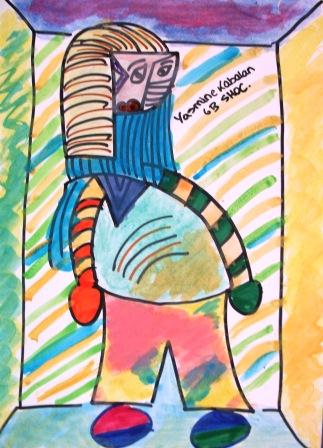
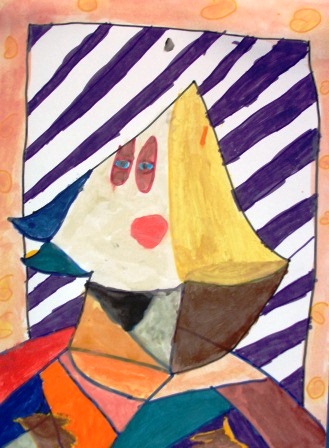
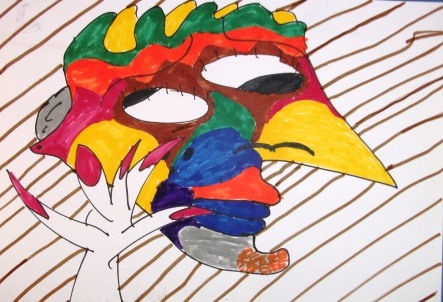
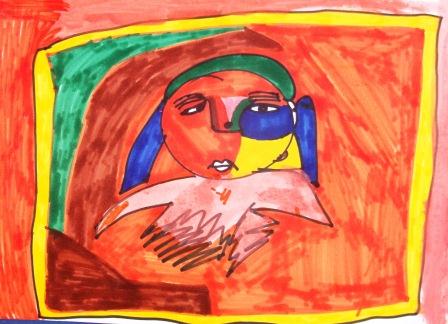
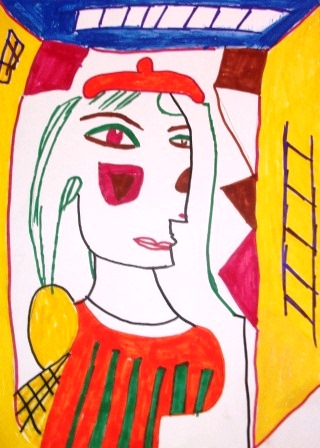
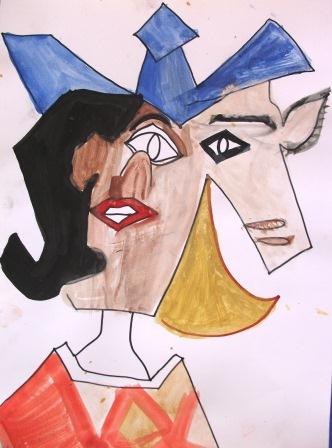
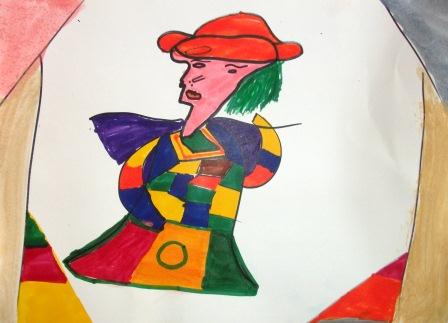
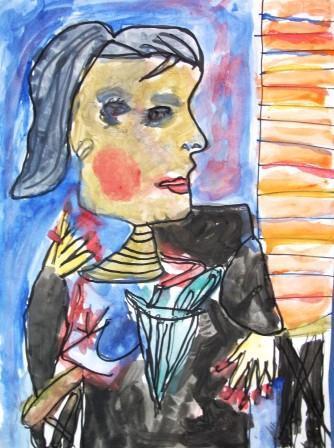
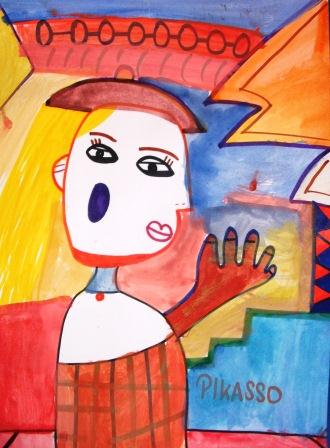
Picasso is one of the most well known artists. Grade 6 learners had an art history lesson to learn about his life and art. They discovered that the Spanish artist was a true pioneer in his feild. He is considered the father of abstract art... an art form called Cubism. Learners found his work to be colorful, sometimes puzzling, energetic and certainly fun to imitate. Each learner selected a print of Picasso's work and tried to imitate it while injecting their own abstract touches. They used markers and paints to achieve the boldness in their art. Their finished artwork definetly say Picasso!
-
-
-
-
-
-
-
-
-
-
-
-
-
-
-
-
-
-
-
-
-
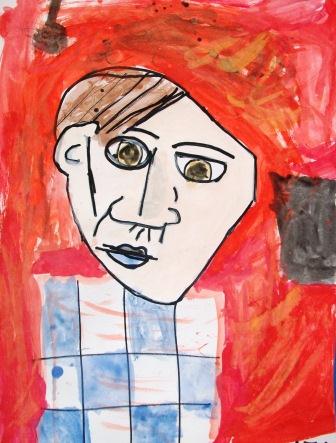 Sama Haddadin
 -
-
-
-
-
-
Postcards of Lebanon (click to view photos)
-
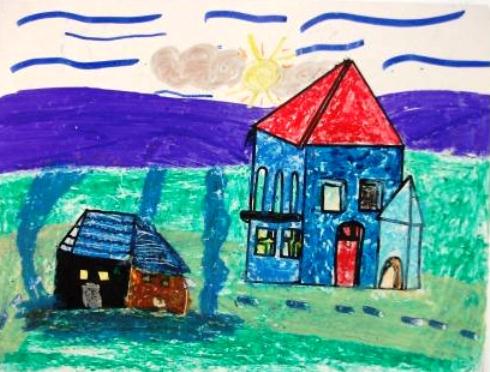
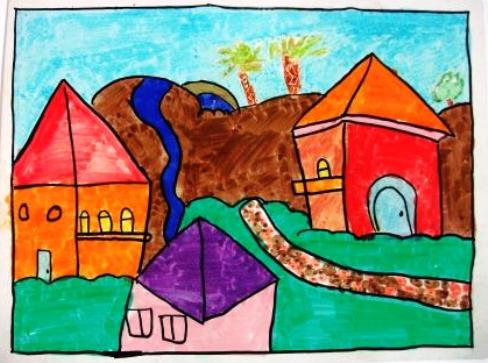
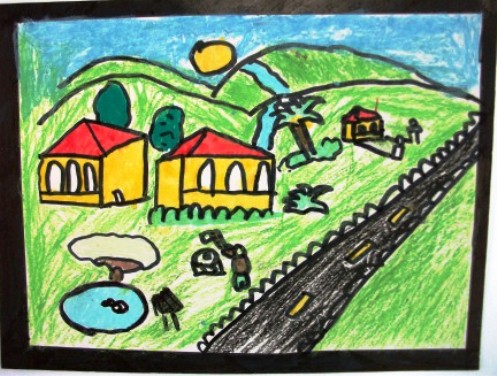
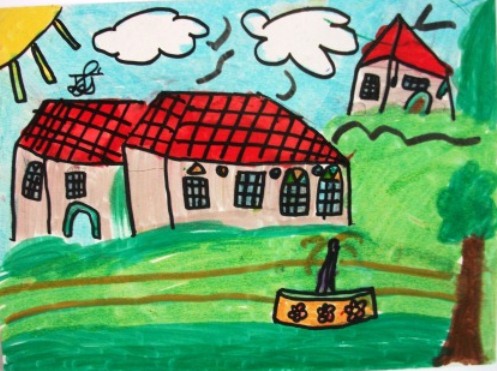
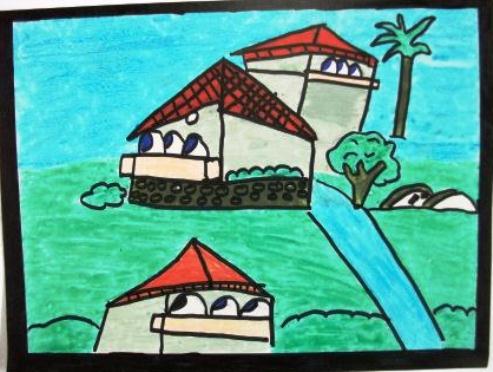
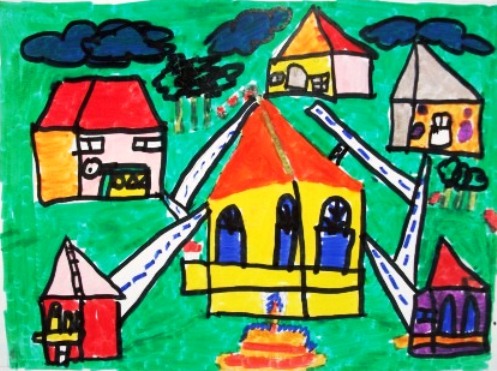
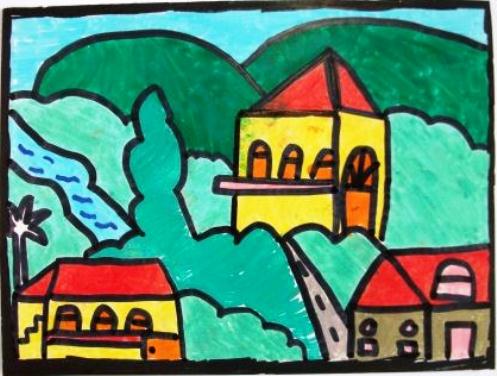
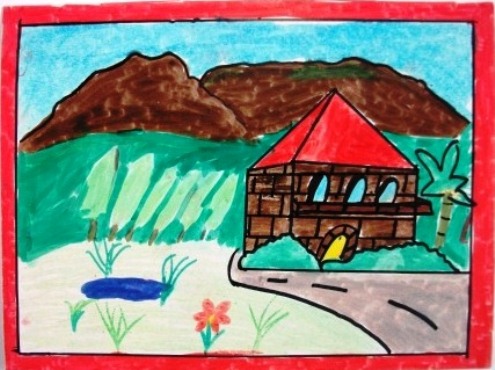
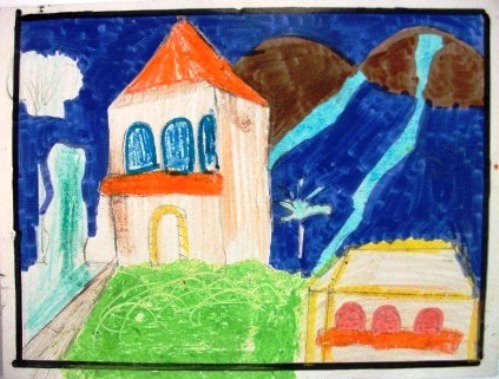
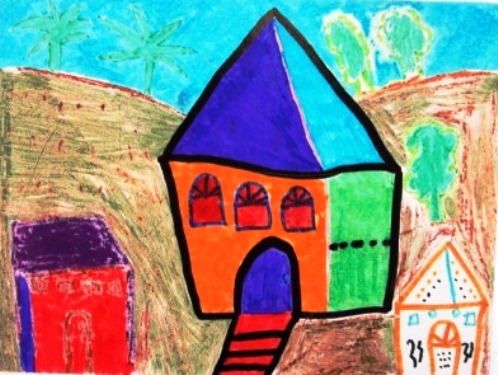
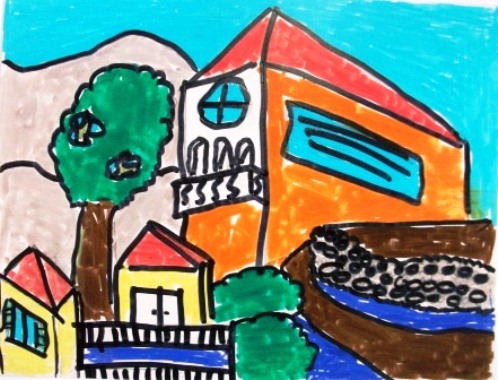
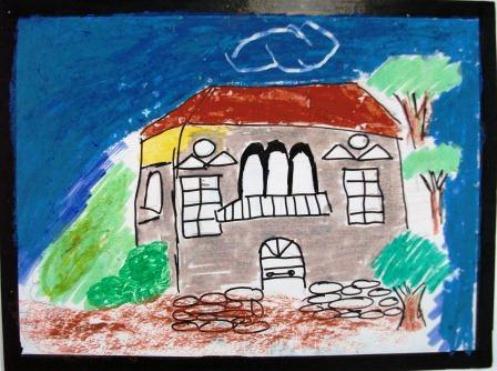
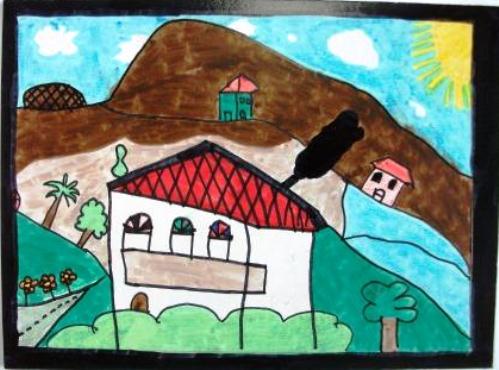
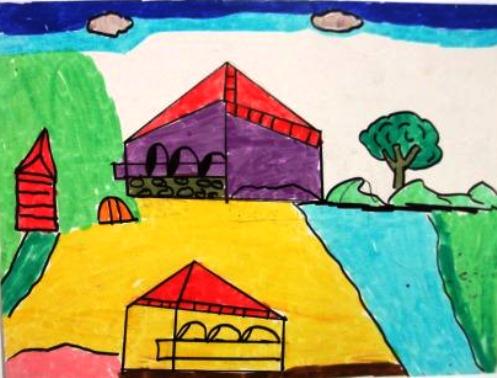
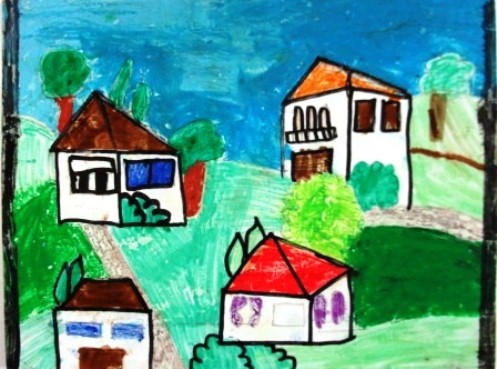
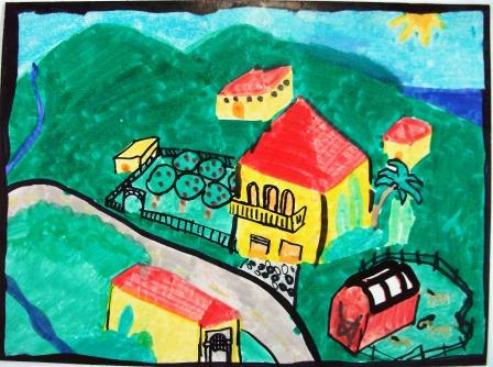
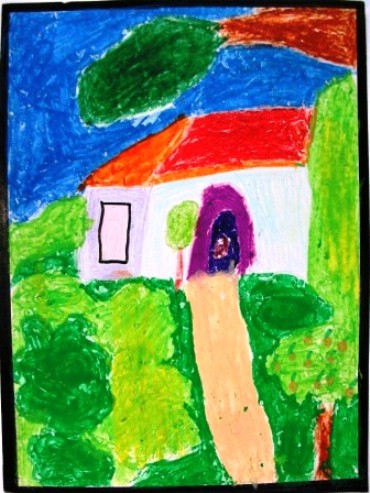
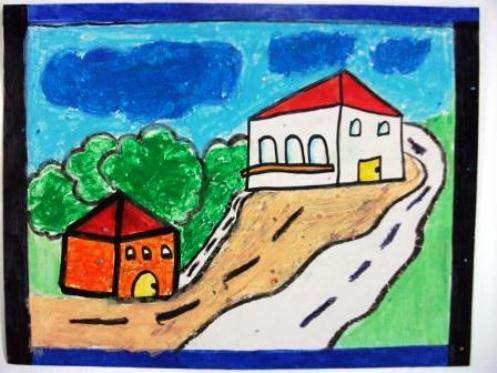
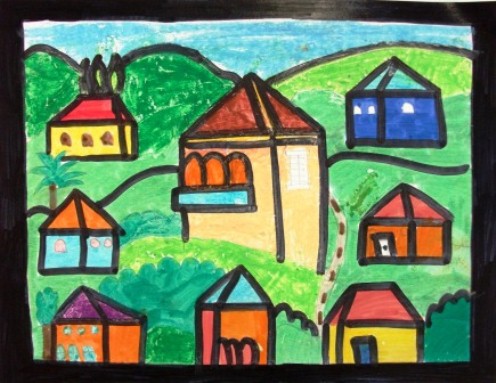
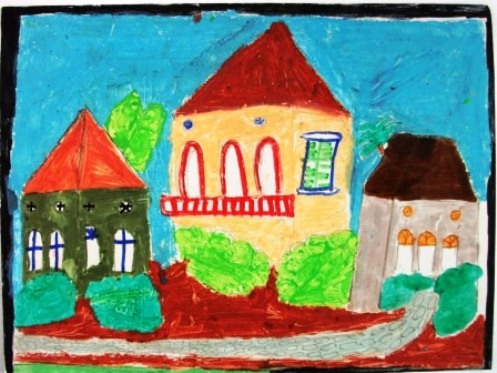
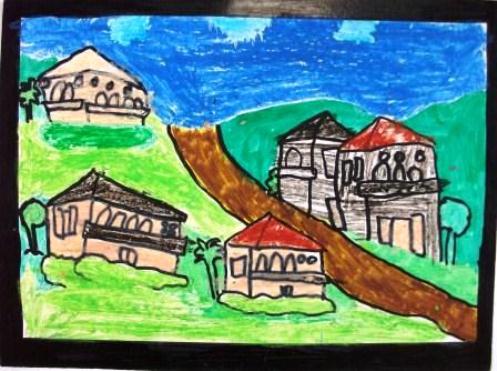
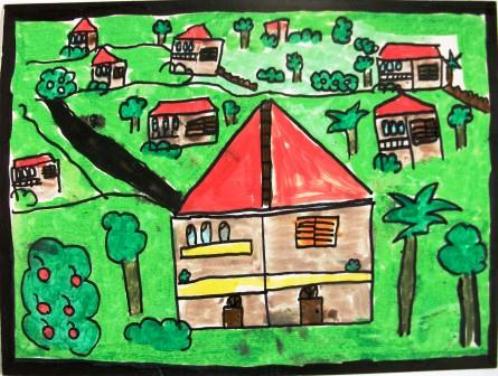
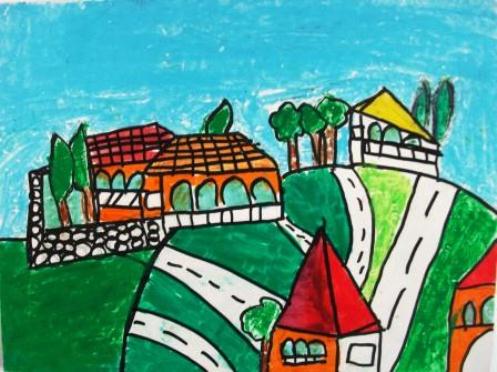
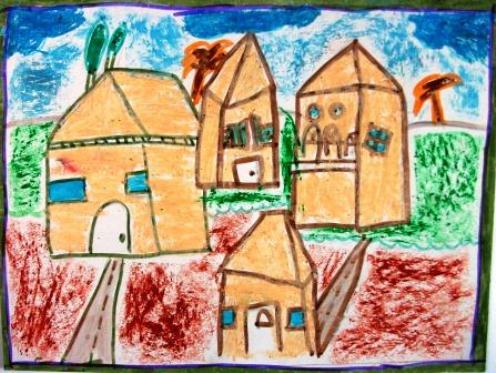
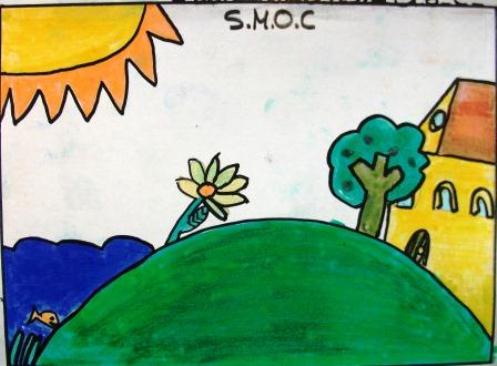
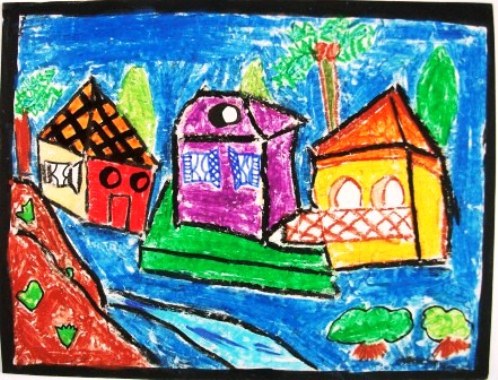
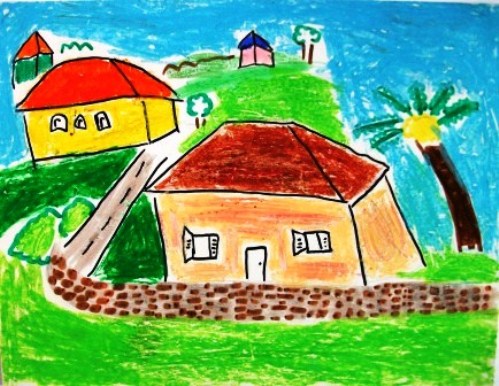
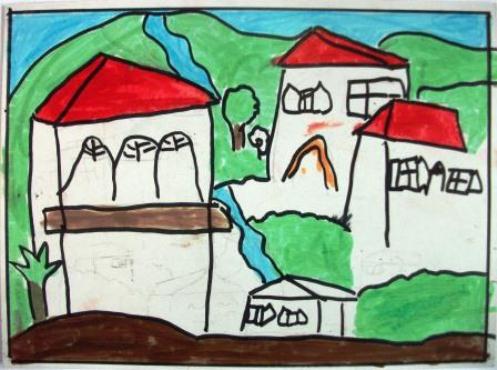
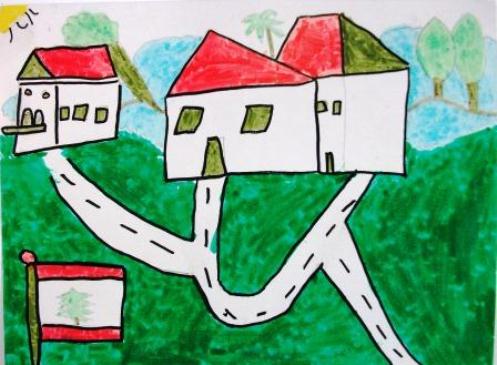
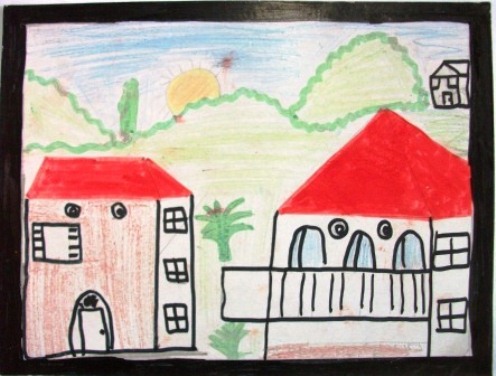
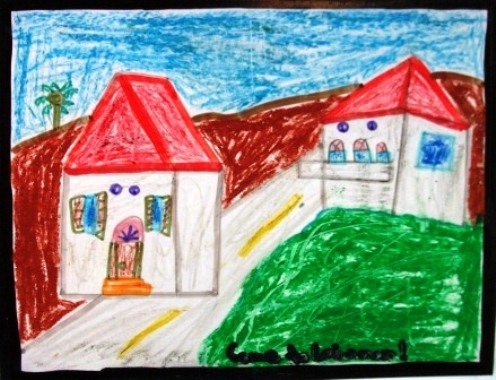
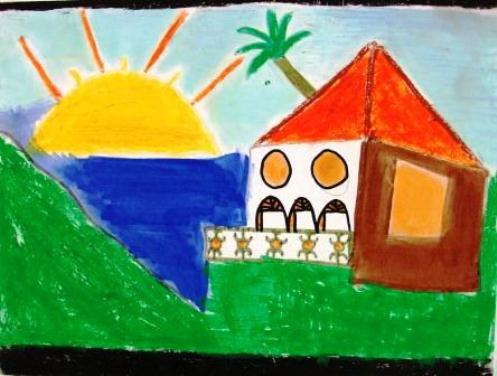
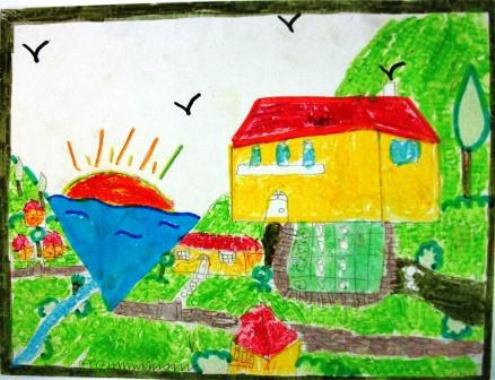
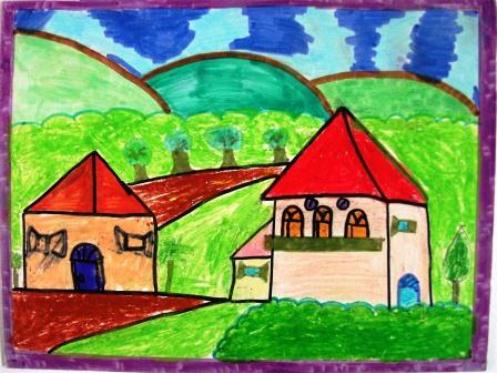
The grade 6 learners created these postcards featuring old Lebanese style homes. This art project was integrated with their geography class… the theme of Lebanese homes. First the learners discussed the traits of an old Lebanese home and were asked to keep an open eye for these traits while out and about. They looked at many pictures as references. Using simple perspective (overlapping, placing items above and below the horizon line) the learners drew their postcards with pencils. Then they used an array of media to color them in… crayons, markers, colored pencils. The postcards are a real tribute to the beautiful old Lebanese homes!
-
Stenciled Flags (click to view photos)
-
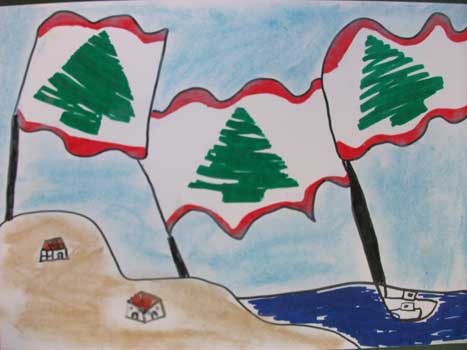
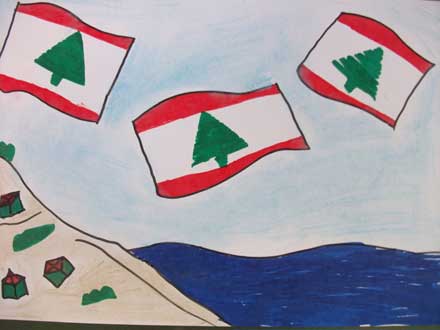
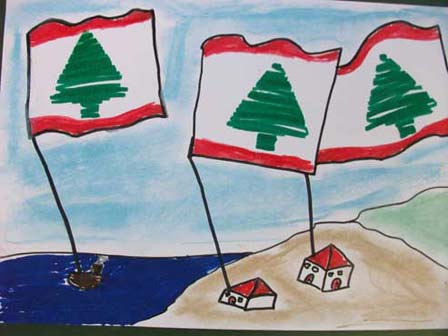
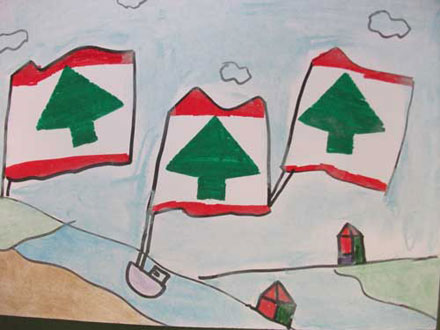
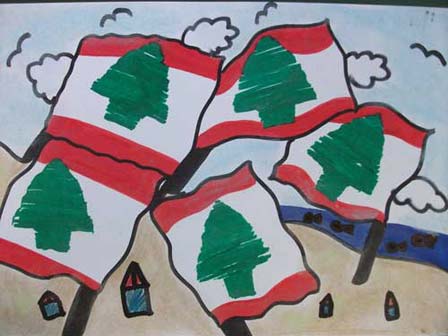
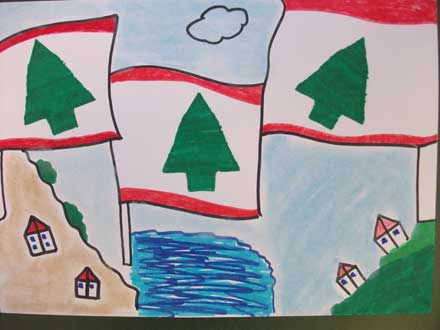
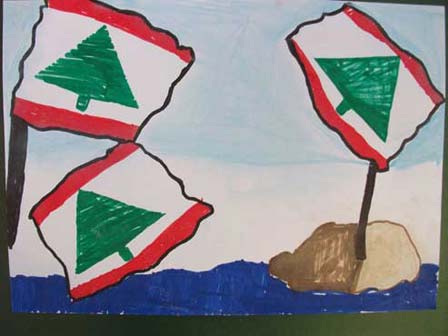
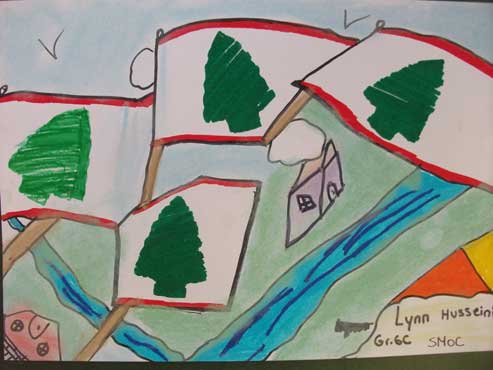
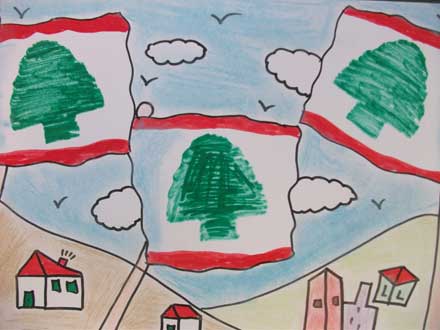
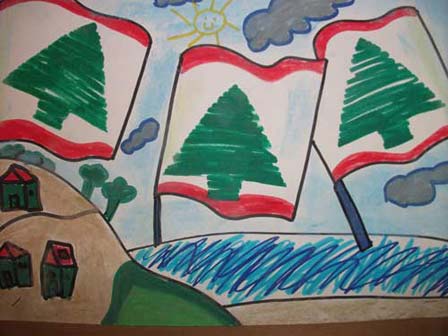
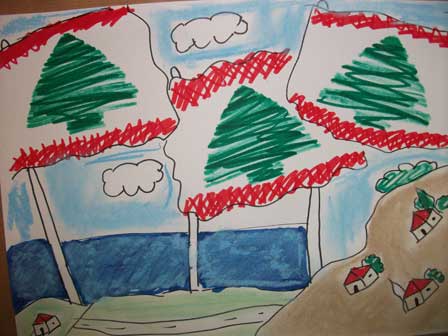
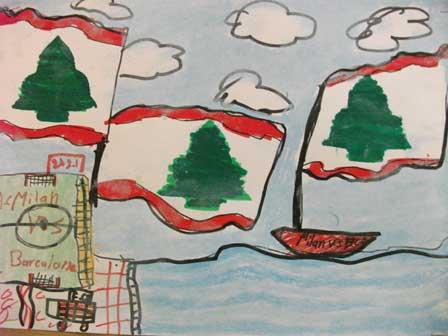
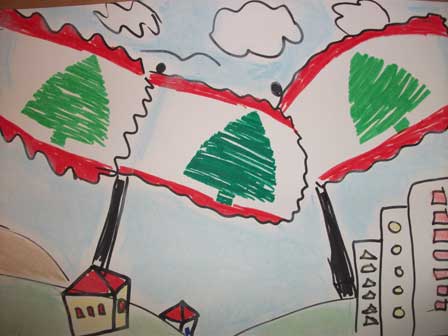
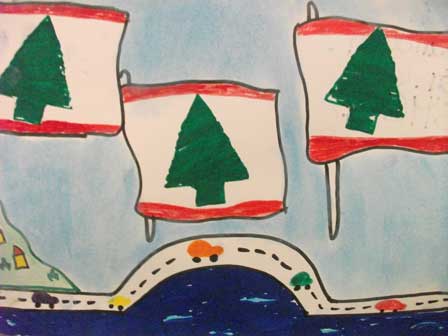
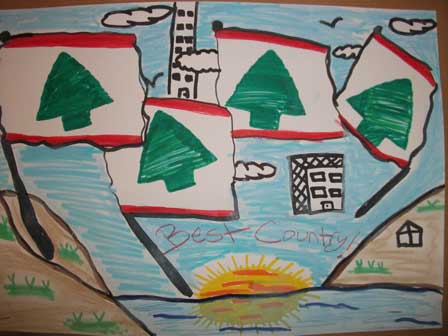
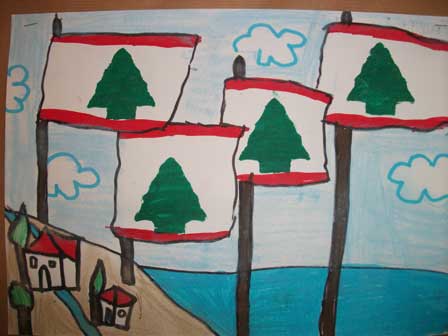
Grade 6 learners created these stencil styled artworks with Lebanese flags flying high above their country. Stencil art is a form of art used in decorative art when a simple shape is repeated many times, which was used for the cedar tree on the flag. Learners cut the shape of the tree out of a cardboard and then used the "hole" they cut out to color in the cedar tree. The learners used bright colored markers and soft colored chalks to achieve these beautiful drawings.
-
Paintings of My Green Lebanon (click to view photos)
-
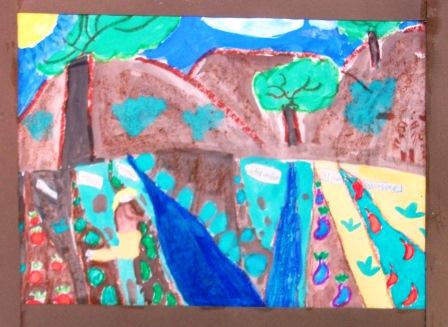
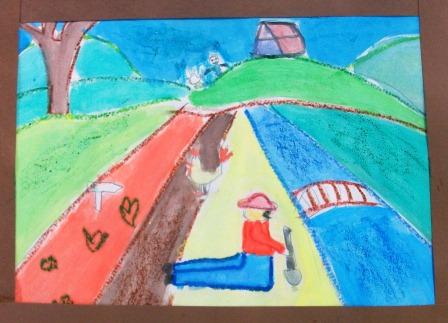
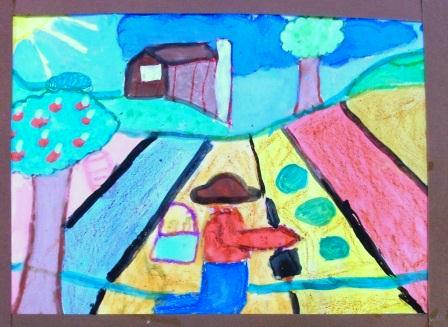
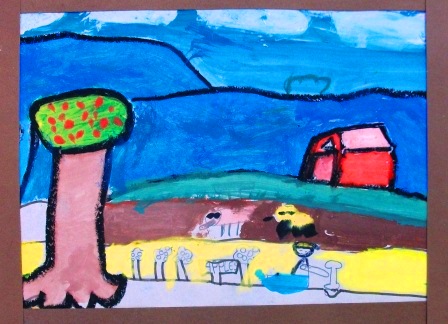
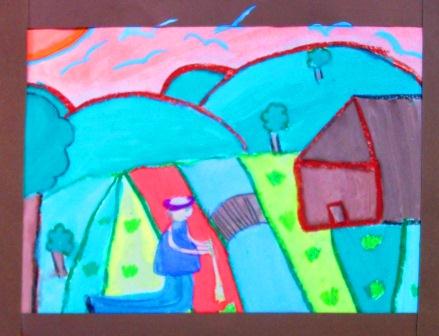
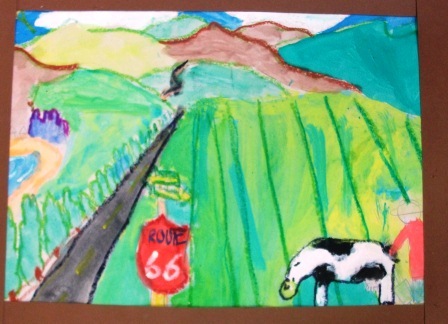
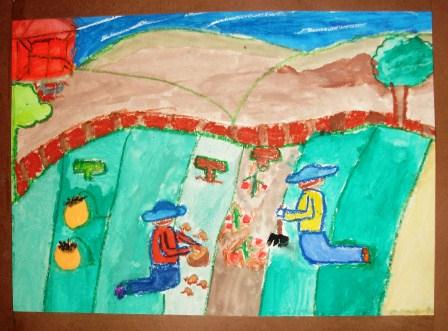
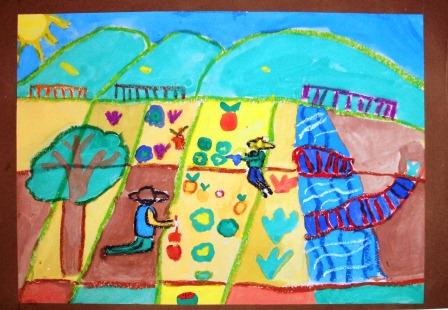
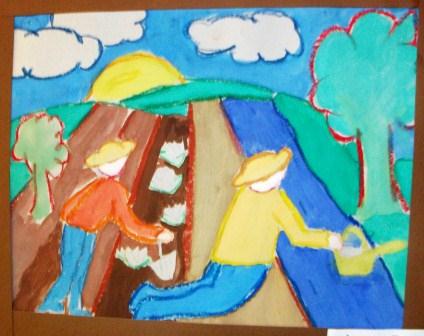
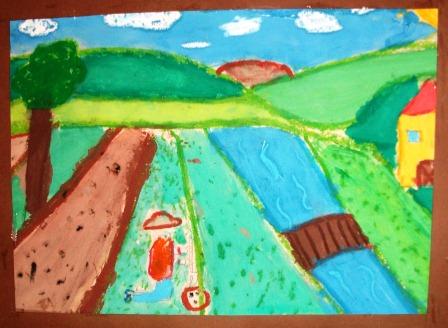
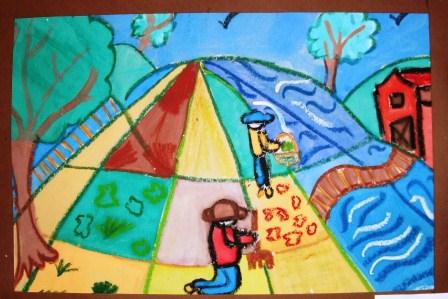
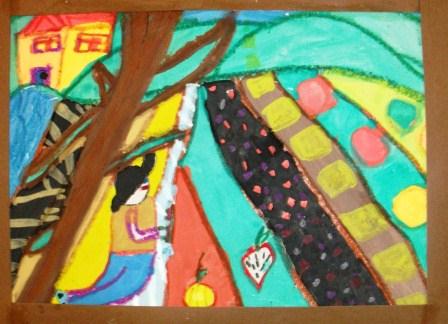
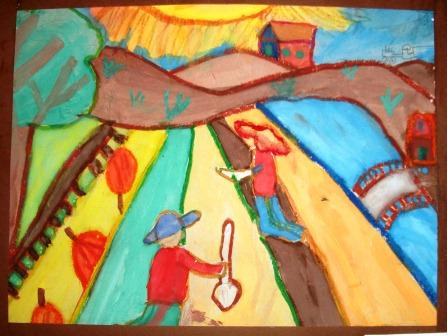
Lebanon offers a wide variety of agriculture from its seaside to its mountains and valley. Grade 6 learners painted these beautiful nature scenes reflecting their love of the land and their appreciation of the hard work that it takes to cultivate such lands. They began with a discussion on the agriculture of Lebanon and how to draw a landscape with simple perspective. Then they jumped right in and started their sketches. These were then drawn using pencils and oil pastels to make resist paintings (oil and water don't mix). Finally watercolors were applied and lastly more details with markers and crayons. You reap what you sow... and the hard work (and fun work also) that the grade 6 applied to these paintings paid off, the results were as beautiful as the lands they love.
-